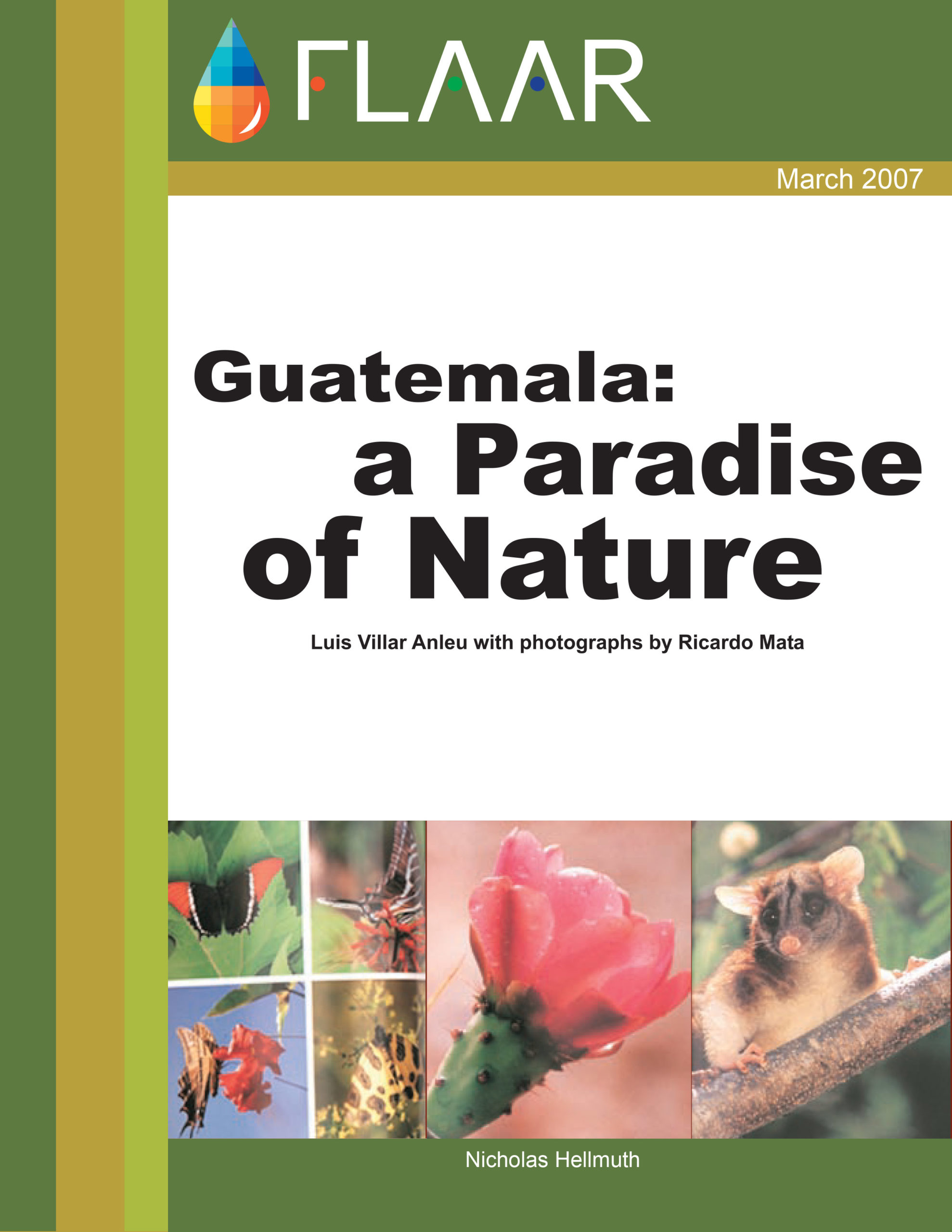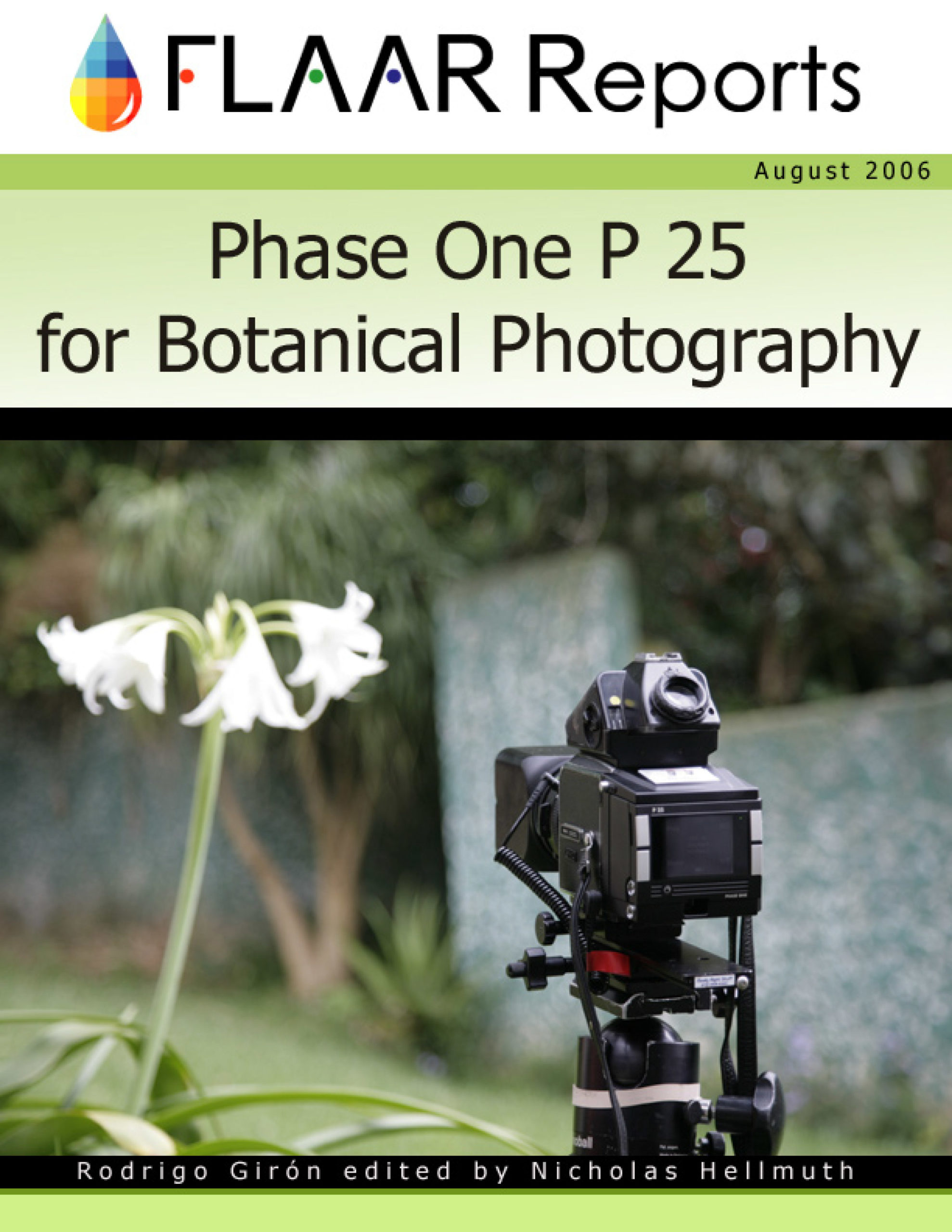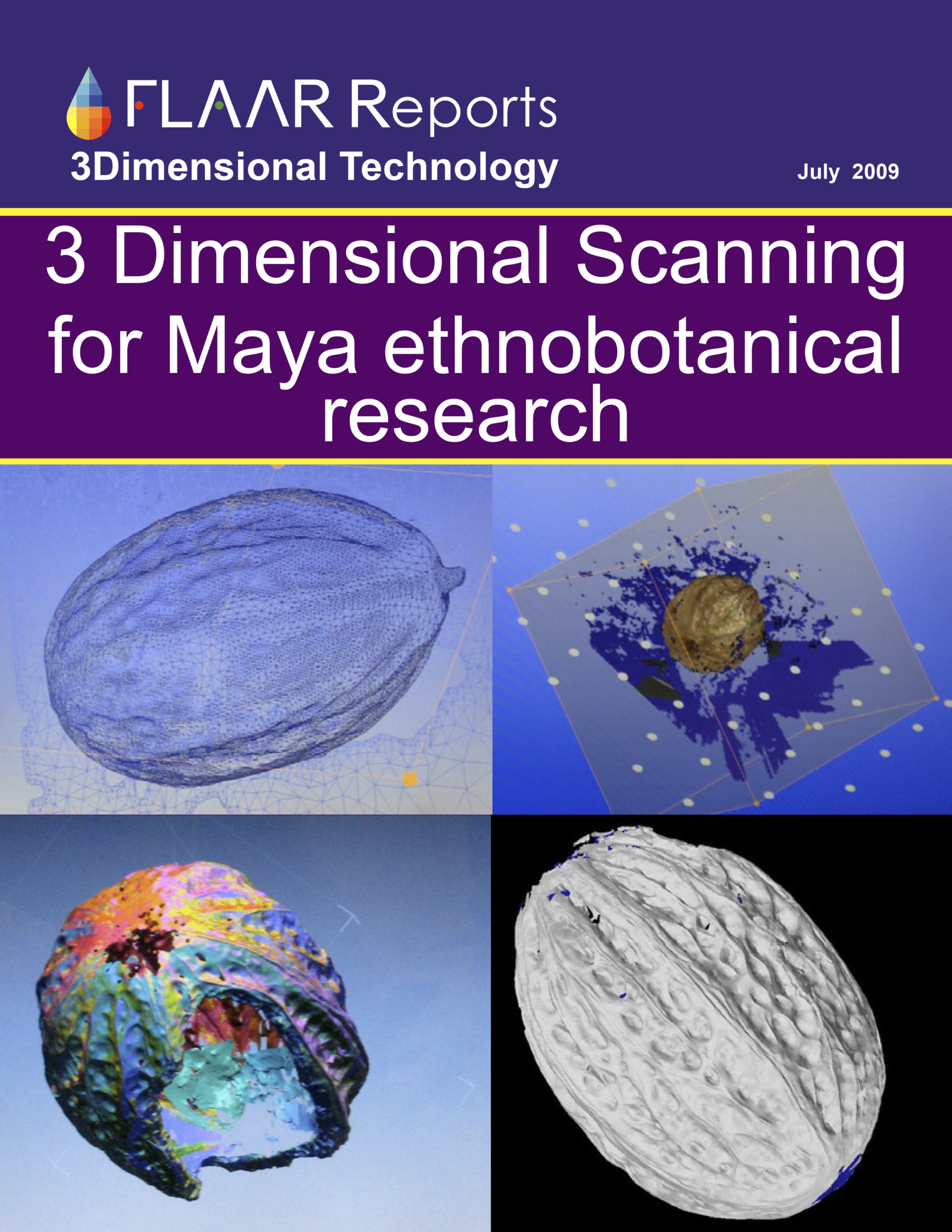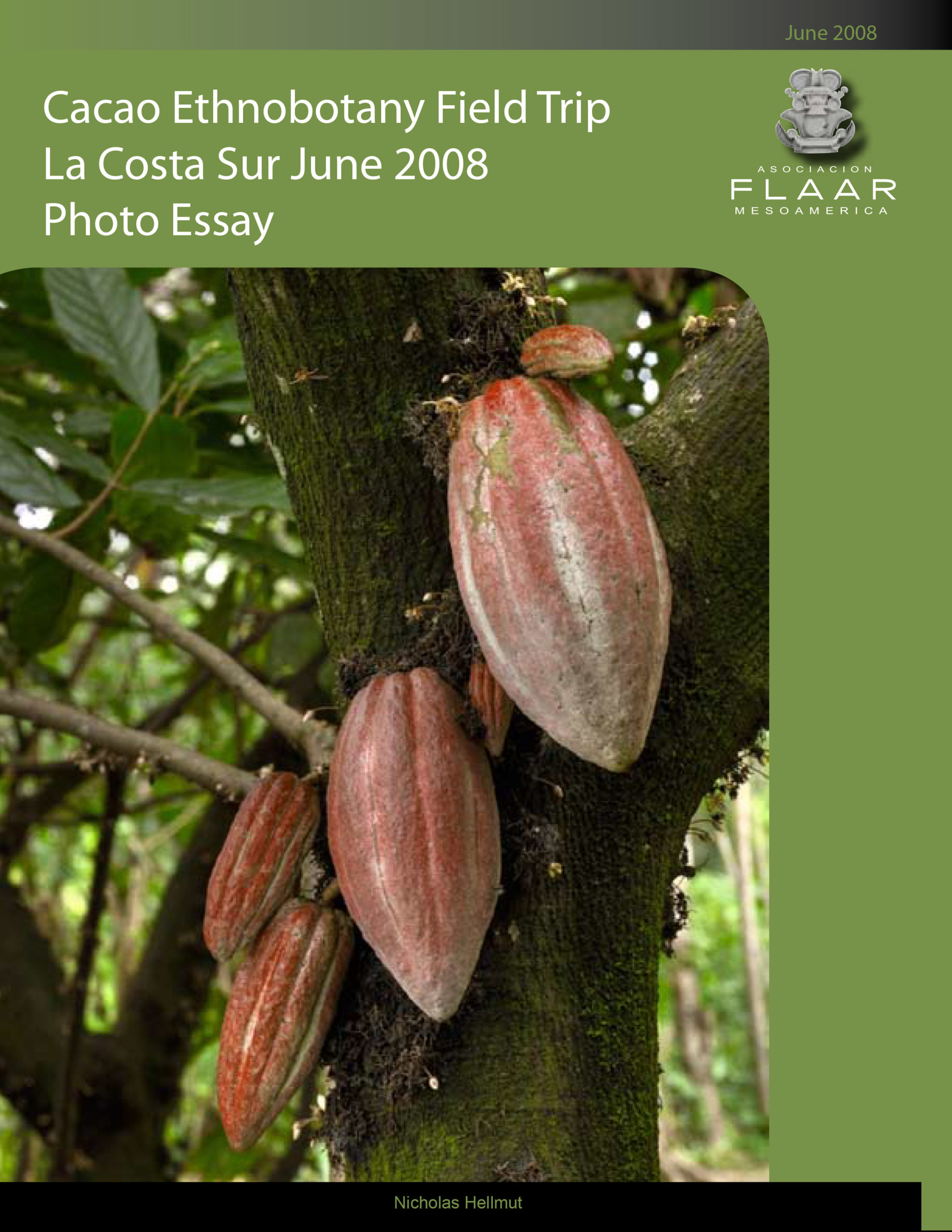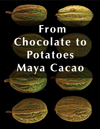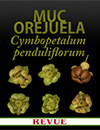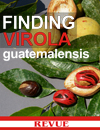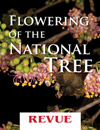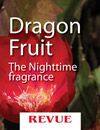

Downloads in PDF for LOTS of information about Maya Cacao (cocoa)
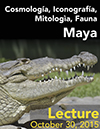
We thank Licda. María Antonieta Godoy Muñoz (Administradora de MUNAG) and Jimmy Isaí Caal Estrada (Curaduría en arqueología for MUNAG) for the invitation to give a lecture on MAYA CACAO at MUNAG (Museo Nacional de Arte de Guatemala, Antigua Guatemala). We first knew Jimmy Estrada from his photography at Fundacion la Ruta Maya and his capability to make rollouts of Maya vases, so several years ago we invited Jimmy on one of our research trips to Copan Ruinas, Honduras, to accomplish rollouts of vases there.
The lecture on 13 de mayo de 2026 was on CACAO en la Arqueologia Maya, covering both:
- Iconography, symbolism of Theobroma cacao and separately Theobroma bicolor in Classic Maya art.
- Epigraphy, the full-figure fish hieroglyph for kalaw(a) in the Primary Standard Sequence Dedicatory Formula on Maya vases.
- Botany, three species of cacao in Guatemala but unsure when Theobroma angustifolium arrived, so the lecture focused on Theobroma cacao and Theobroma bicolor (common names in Guatemala include pataxte, especially in Izabal, and balamte, especially in Alta Verapaz).
- Ethnobotany: how Maya people of the past and present interact with cacao.
Since the total presentation had many hundreds of photos, it’s best to download chapter-by-chapter:
Maya Cacao Lecture Downloads


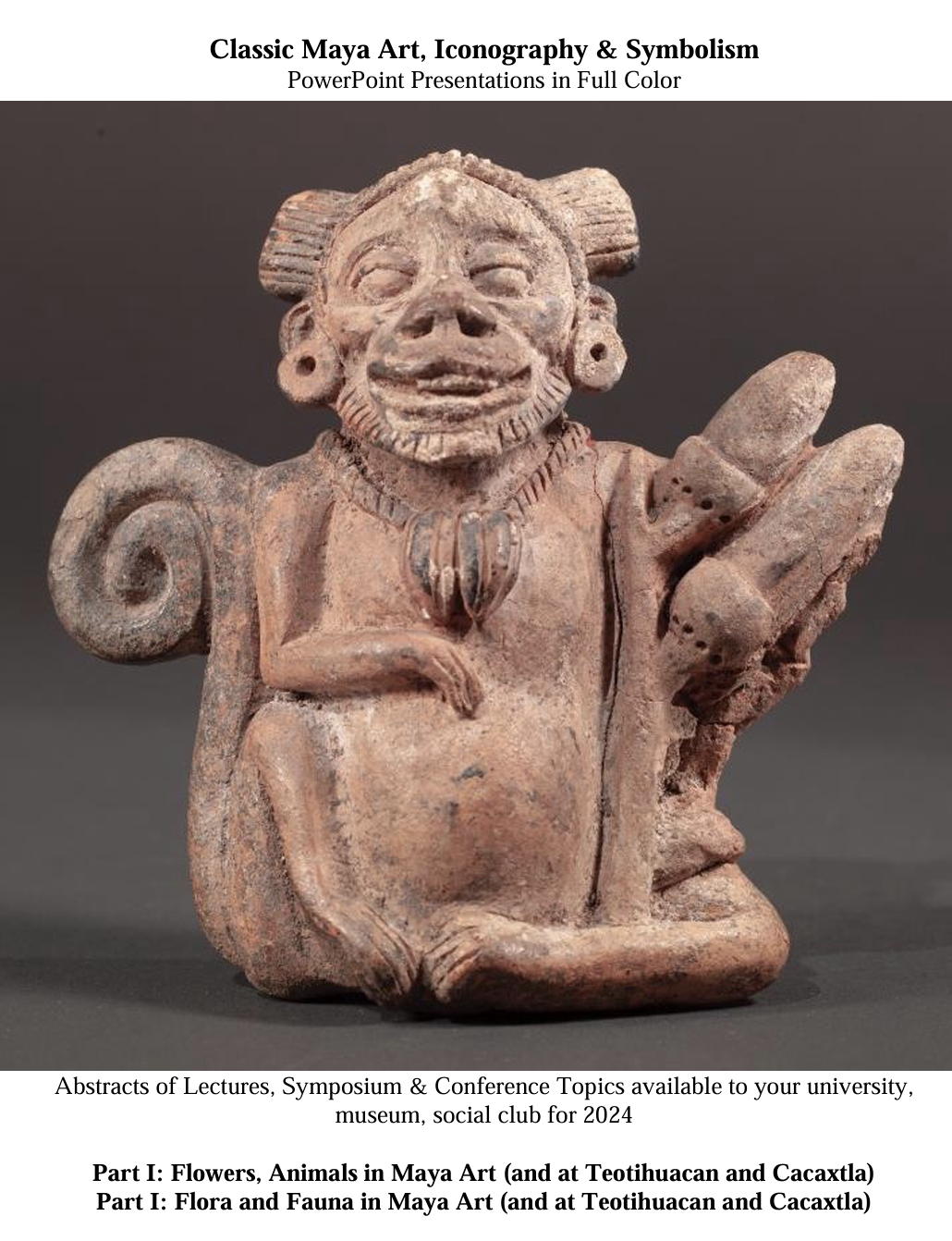
Archaeology and Iconography of Theobroma cacao
And Faux Cacao (cacao look-alikes) in Classic Maya Art.


Classic Maya Hieroglyph for Kakaw(a)
Chocolate of the Classic Maya. Archaeology, Epigraphy and Iconography of this Hieroglyph in the Primary Standard Sequence Dedicatory Formula.

Seeds used by Maya People to make Chocolate
This is a preview of further cacao research projects that’s worth downloading even though just a preview. There are several seeds of various different trees in Guatemala that are still used by Maya People to make chocolate when there is no Theobroma cacao available.

Chocolate in Maya Culture of the Classic through to today

Keep in mind that all chapters together in a single PDF is very heavy.
This PDF is the entire multiple “chapters” of the English original of the lecture at MUNAG.
Additional FLAAR Reports on Maya cacao and chocolate
Especially iconography and ethnobotany.

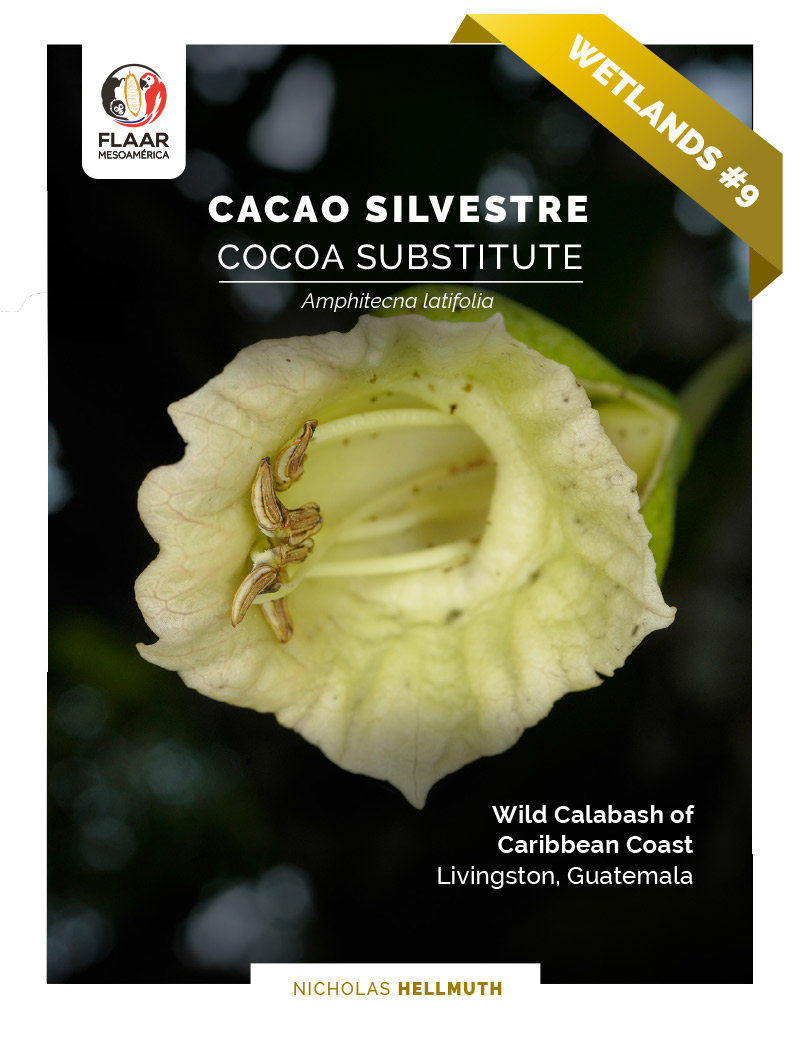

You can see cauliflorous flowers Theobroma cacao in our FLAAR Ethnobotanical Research Garden
Flowers of cacao trees flower and fruit from the lower two meters of the main trunk. So the botanical name is cauliflorous. Flowers also stand out from the main branches. Our tree in front of our residence/office has over 300 flowers this week (June 2026). The heavy rains will wash off more than half, and not all will pollinate (requires midges, though some cacao is self-pollinating). Theobroma bicolor does not survive nor does Theobroma angustifolium, curious because Theobroma bicolor grows in mountains overlooking Cahabon, Alta Verapaz. And Theobroma cacao usually grows at much lower elevations than the 1,600 meters above sea level of Guatemala City.
This link will allow you to see dozens of happy cacao flowers, plus young pods starting to grow:
https://flaar-mesoamerica.org/2023/07/07/cacao-in-the-mayan-culture-and-other-interesting-facts/
We have studied cacao in Tabasco and Soconusco (Chiapas), taking photos for all three editions of Sophie Coe and Michael Coe’s book on cacao, The True History of Chocolate. We have studied cacao across Guatemala and in the village of Copan Ruinas, Honduras. Since Theobroma cacao is the least studied, we have been accomplishing field trips to study balamte in Alta Verapaz still during 2026.
It is not fully clear whether Theobroma angustifolium was native to Guatemala and Chiapas in the Late Classic, or whether the conquering Spanish brought it up from Costa Rica. But the other two species of cacao trees were available to the Maya and their neighbors for thousands of years, brought up from South America.
Written by Nicholas Hellmuth, June 2026