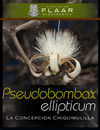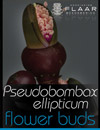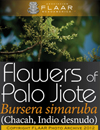
When time and funding permit, each flower (each plant species) will have its own page, and its own PDF, and eventually its own PPT so that professors and students have plenty of material on Guatemala (and Honduras, etc) to study.

Maize
This space is for flowers
we have recently found and photographed.
Follow me in twitter. FLAAR reports Add a Nicholas Hellmunth to yor network. FLAAR reports.
| Share
News Feeds:
Pacaya palm Chamaedorea tepejilote Print E-mail

Pacaya is a common palm tree in many parts of Guatemala. The flowers are found in village markets. I enjoy eating this, but don’t yet have any growing in my own garden (I am in the middle of the suburbs and don’t have space for everything).

In early June I saw a few pacaya still bearing flowers but most already had fully developed seeds.

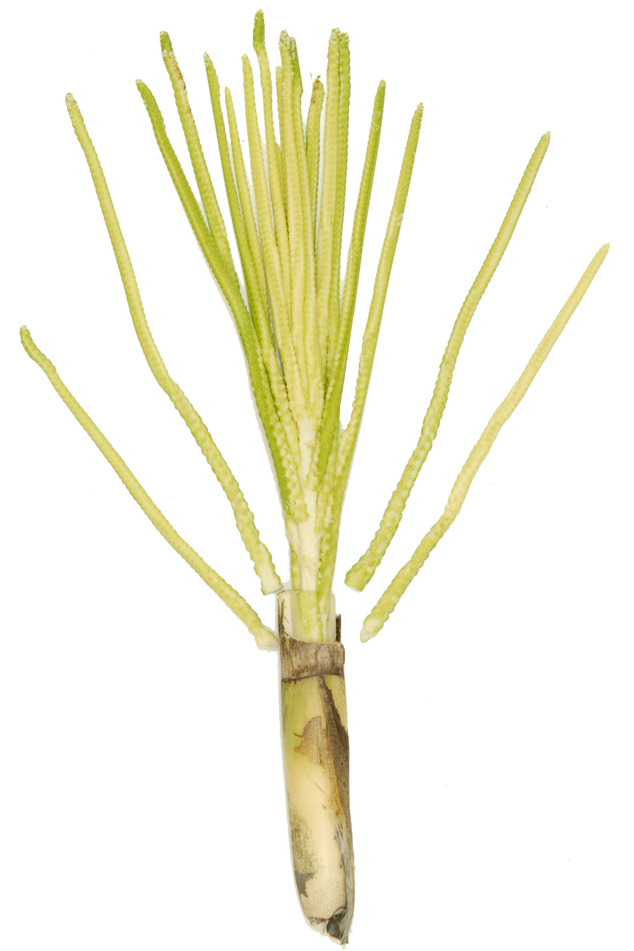
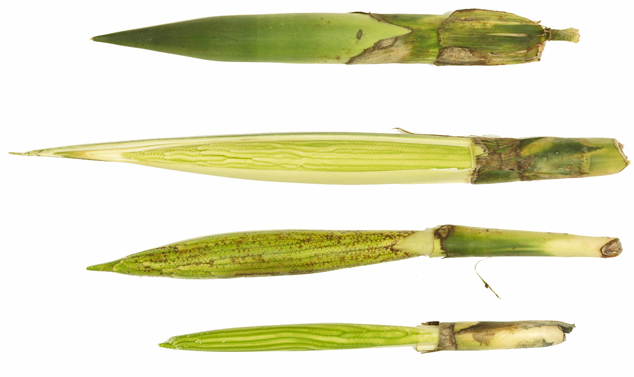
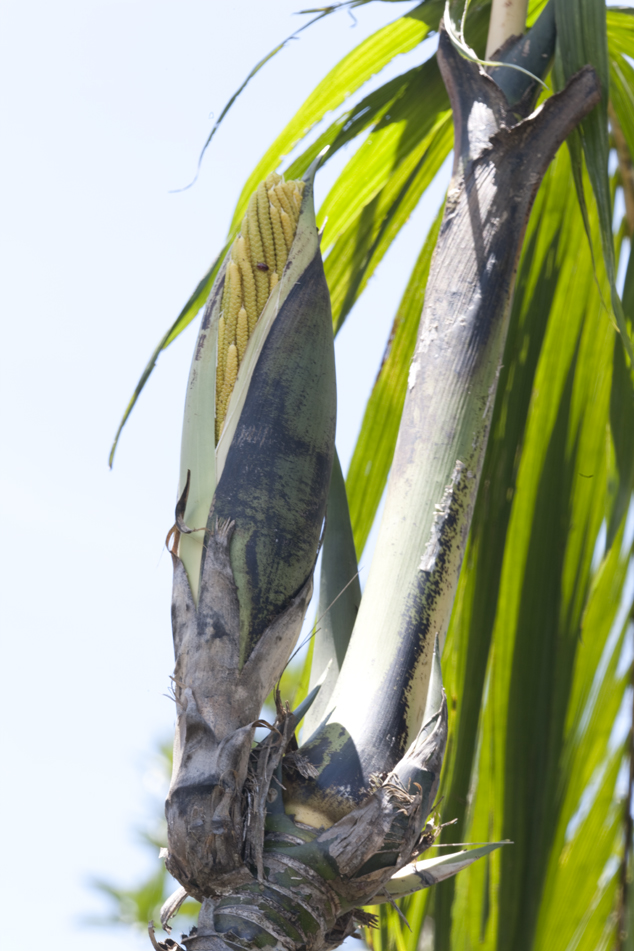
Peel away the outside husk and you see a remarkable work of Mother Nature. It is worth buying one that has not yet opened, and pull it open yourself. It’s amazing how each part of the male inflorescence is “geared” and fits all adjacent parts. It is like you would expect an alien creature to be designed: completely intelligent engineering.

It spreads by seeds through the collection of seedlings in the forest. The heads have a characteristic bitter taste and are eaten cooked or roasted on the grill, accompanied by salt and lemon or wrapped in egg with tomato sauce.
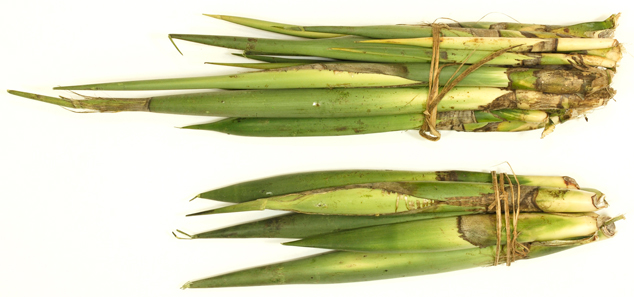
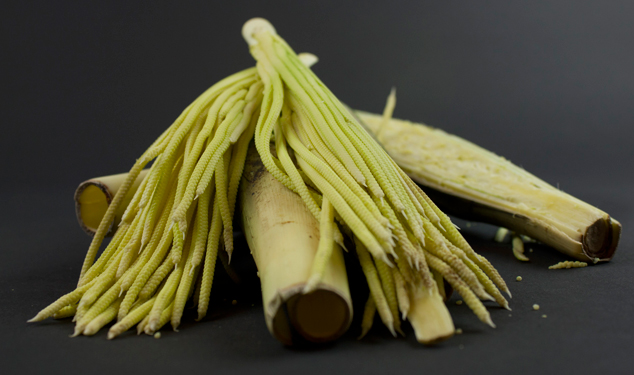
Pacaya palm bundles, photo studio FLAAR, FLAAR Archive.
Pacaya palm bundles, photo studio FLAAR, FLAAR Archive.


The palm forest pacaya, common plant found from Mexico to Colombia has male inflorescence edible. The Pacaya is a traditional food in Guatemala and neighboring countries, is preserved in small quantities exported to the United States and Canada. It is also a source of edible bone (heart of palm) and the leaves are used for flower arrangements and grows as an ornamental plant.

The palm forest pacaya, common plant found from Mexico to Colombia has male inflorescence edible. The Pacaya is a traditional food in Guatemala and neighboring countries, is preserved in small quantities exported to the United States and Canada. It is also a source of edible bone (heart of palm) and the leaves are used for flower arrangements and grows as an ornamental plant.

The berries of pacaya palm are photogenic

The berries are not what you eat, but the berries are definitely photogenic. However the male inflorescence itself is not very photogenic.
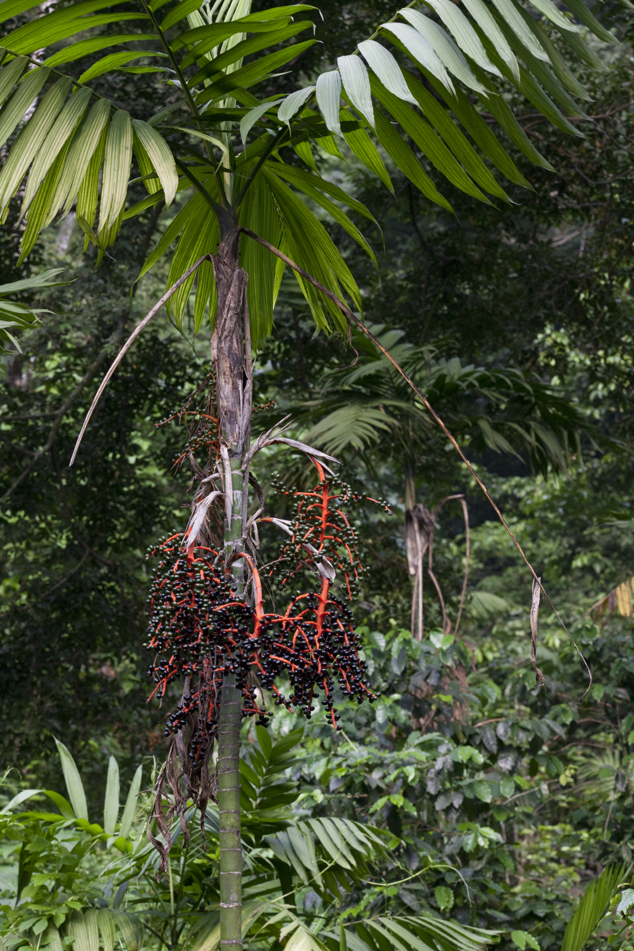
Pacaya palm male, notice the berries, FLAAR Archive

Pacaya palm male, notice the berries, FLAAR archive
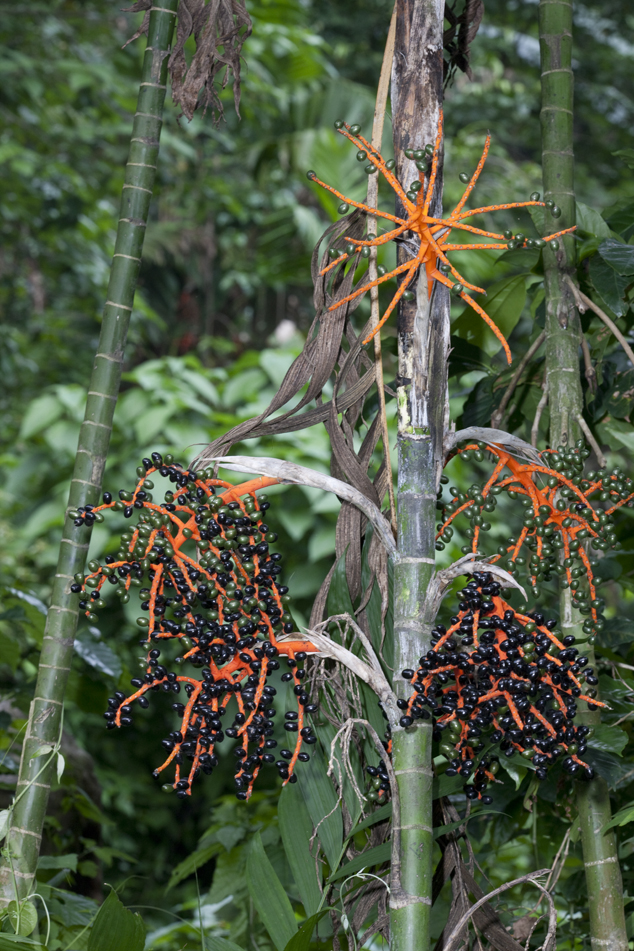

Pacaya berries inmature, FLAAR Archive

Pacaya berries inmature, FLAAR archive

Where to find and see pacaya palm

I see this all over Peten and in many other areas of Guatemala. The park of Auto Safari Chapin also has them. But clearly the Highlands are one locus for pacaya, since the volcano named pacaya is in the Highlands.
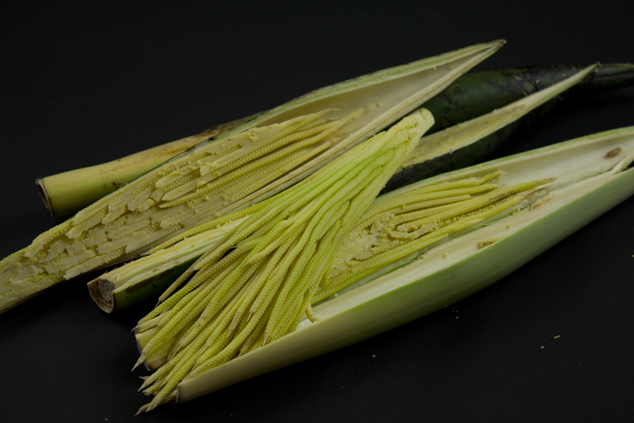
Pacaya fruit
Pacaya open fruit
Pacaya inflorescence
Pacaya fruit stages

GALLERY


Last update 9 August 2011. First posted July 07, 2011.
 

MAYA ETHNOBOTANY ARTICLES

Spices, condiments, food coloring

Dye plants for textiles

Plants and trees used to produce incense

Camera Reviews for Photographing Flowers and Plants

Ethnobotany site page Donations acknowled Botton DONATE NOW

SUBJECTS TO BE COVERED DURING NEXT 6 MONTHS

Fruits (typical misnomer mishmash of Spanish language)

Fruits (vines or cacti)

Flavoring, herbs, and spices

Flowers, sacred

Plants which are sacred

Plants or trees that are used to produce incense

Most common introduced plants (not native)

We Thank Gitzo, 90% of the photographs of plants, flowers and trees in Guatemala are photographed using a Gitzo tripod, available from Manfrotto Distribution.
We thank Hoodman, All images on this site are taken with RAW CF memory cards courtesy of Hoodman.
We thank Parrot Digigraphic, More than 90% of the photographs on this site are taken with a Canon EOS-1Ds Mark III provided by Parrot Digigraphic or a Phase One provided by Global Imaging Inc.
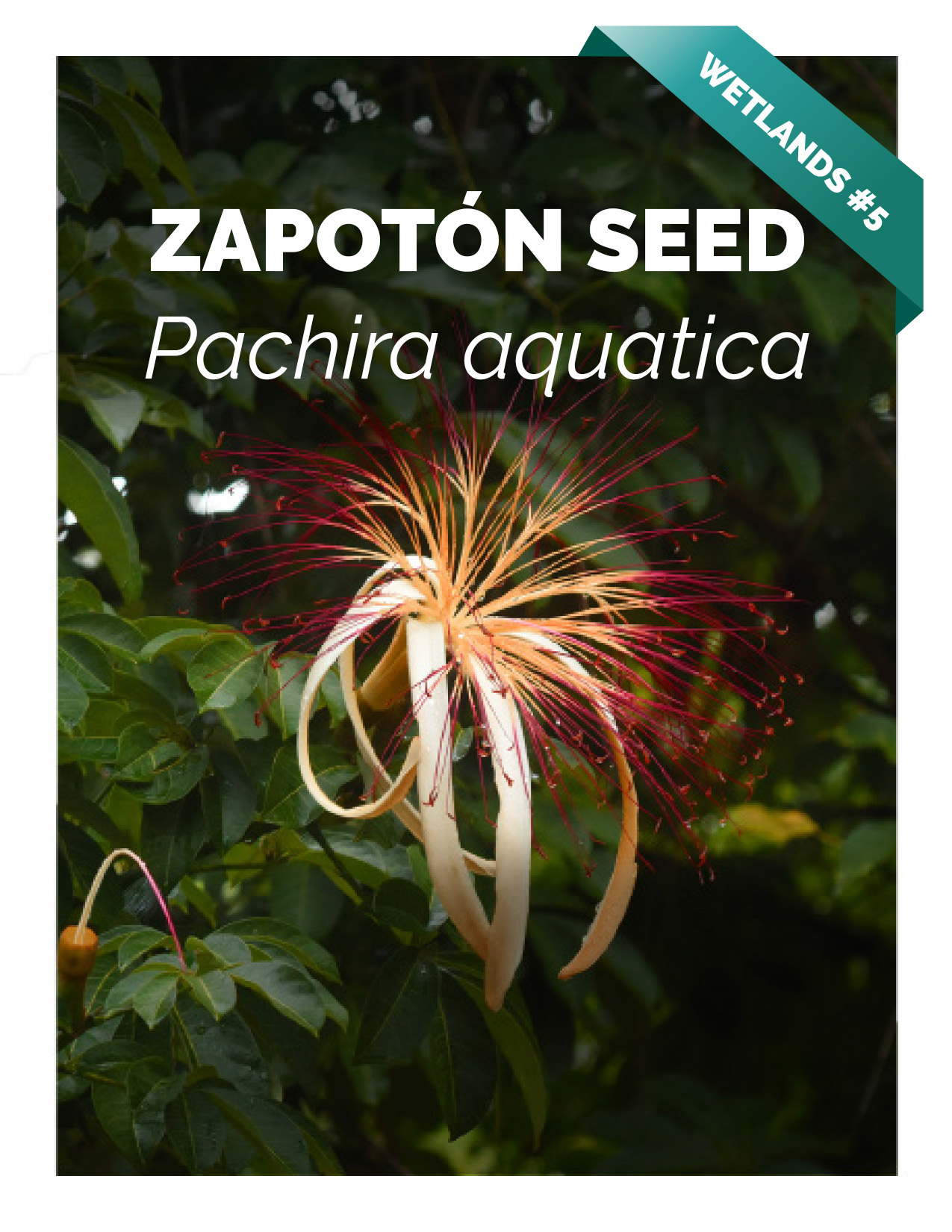
Pachira aquatica, zapoton, zapote bobo, crucial sacred flower for Maya archaeologists and iconographers
Read article on Achiote, Bixa orellana, annatto, natural plant dye for coloring (and flavoring) food (especially cacao drink) in Guatemala and Mexico.
Read article on Cuajilote or Caiba: Parmentiera aculeata, a forgotten fruit.
Read article on Split leaf philodendron, Monstera deliciosa.
Read article on Gonolobus, an edible vine from Asclepiadaceae Family.
Pachira aquatica, zapoton, zapote bobo, crucial sacred flower for Maya archaeologists and iconographers

Copyright © 2012. maya-ethnobotany.org. Powered by FLAAR