|
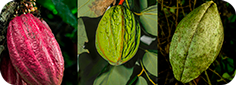
Liana with milky secretion (latex). Fruits green or yellowish green when ripe, with many seeds. Distributed from Guatemala to Costa Rica.
 |
 |
|
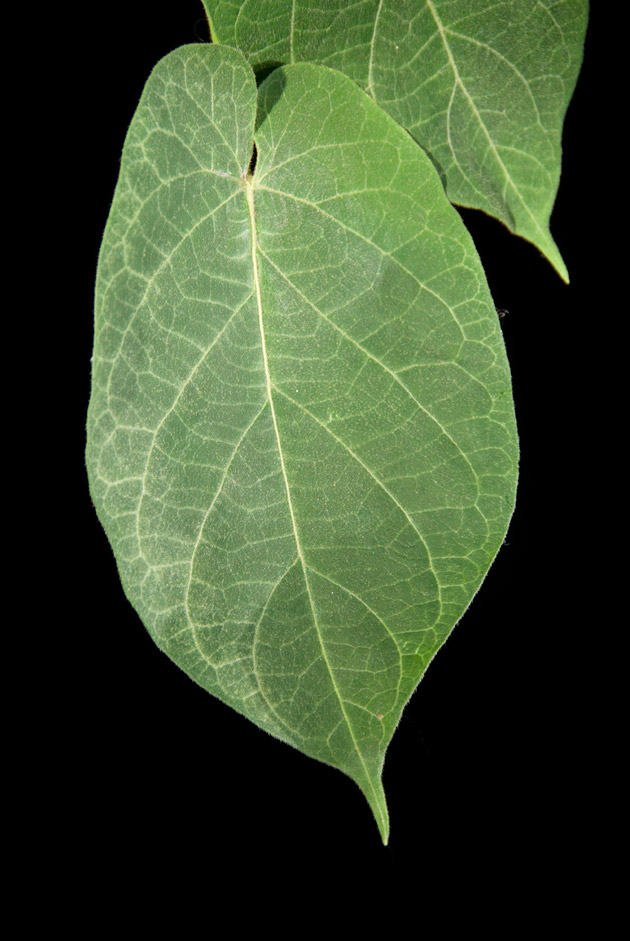
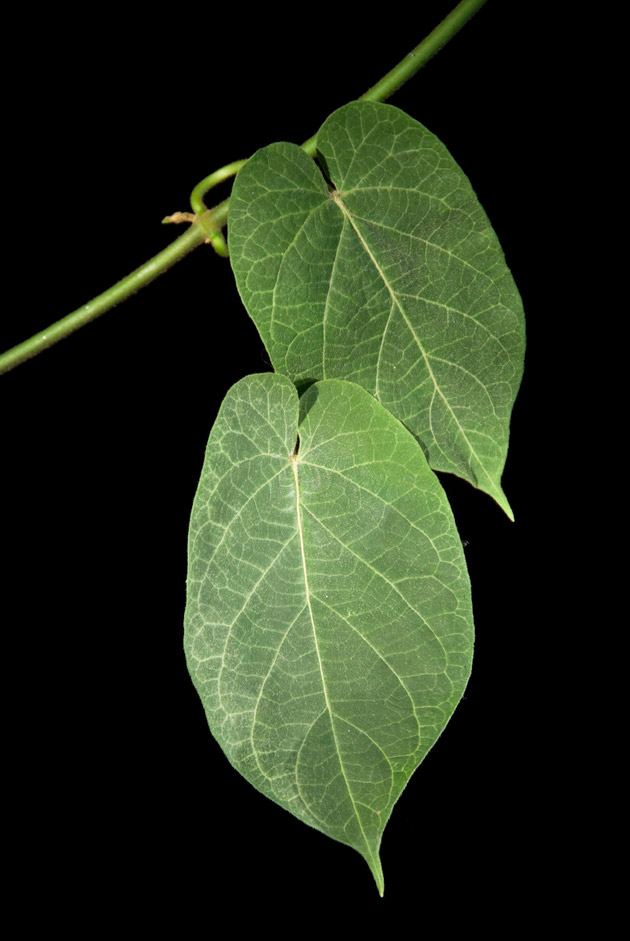
Cuchampera, Gonolobus leaves, this plant is a vine.
|
The young fruit can be eaten by cutting the ends and leaving them out all the lates, then scrape the skin and they add salt and lemon to taste. When seasons are preserved, are not known other use.
 |
|
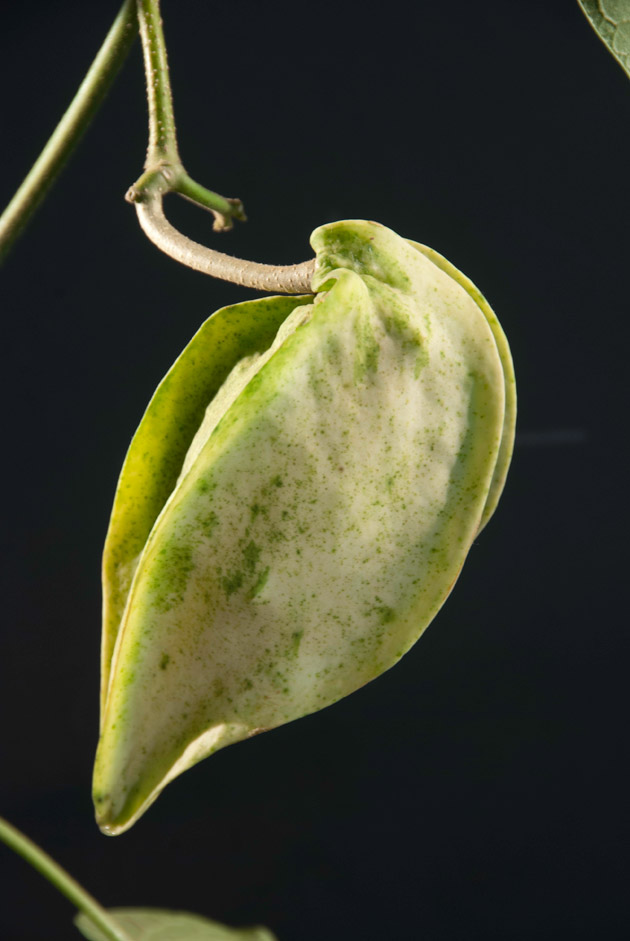
Cuchampera, Gonolobus fruti close, notice the shape of the fruit.
|
 |
|
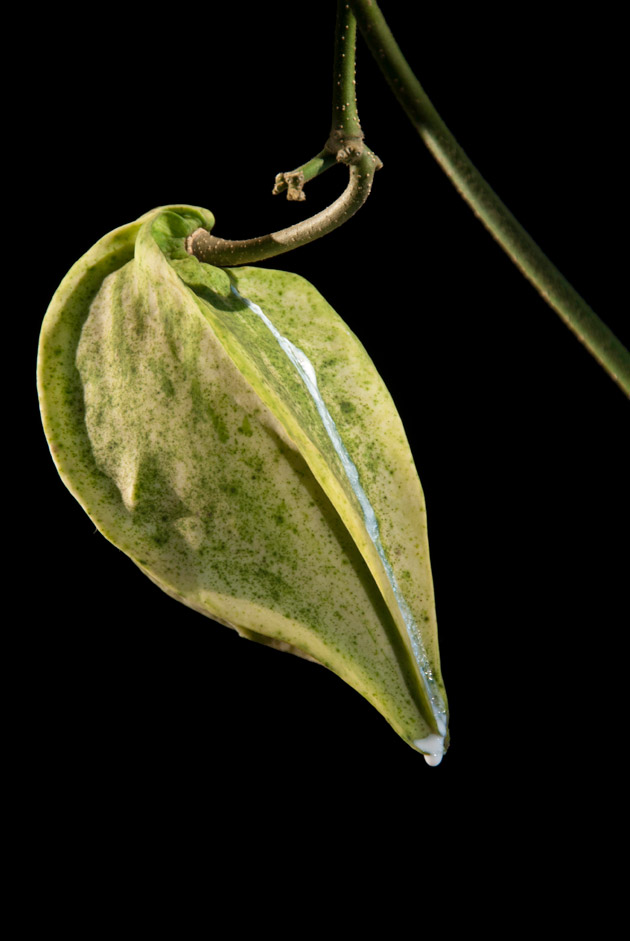
Cuchampera, Gonolobus fruit, notice the white latex emerging from the fruit.
|
All parts of this plant, especially seeds and latex, are poisonous. Alkaloids used in medicine and as an insecticide. There is no record that the use of animals for food, but they are pollinated by insects.
There are several species belonging to this genus are edible and are commonly called "cuchampera" within which are:
- Gonolobus barbatus
- G. edulis
- G. leianthus
- G. salvinii
- G. stenanthus
- G. taylorianus
 |
|
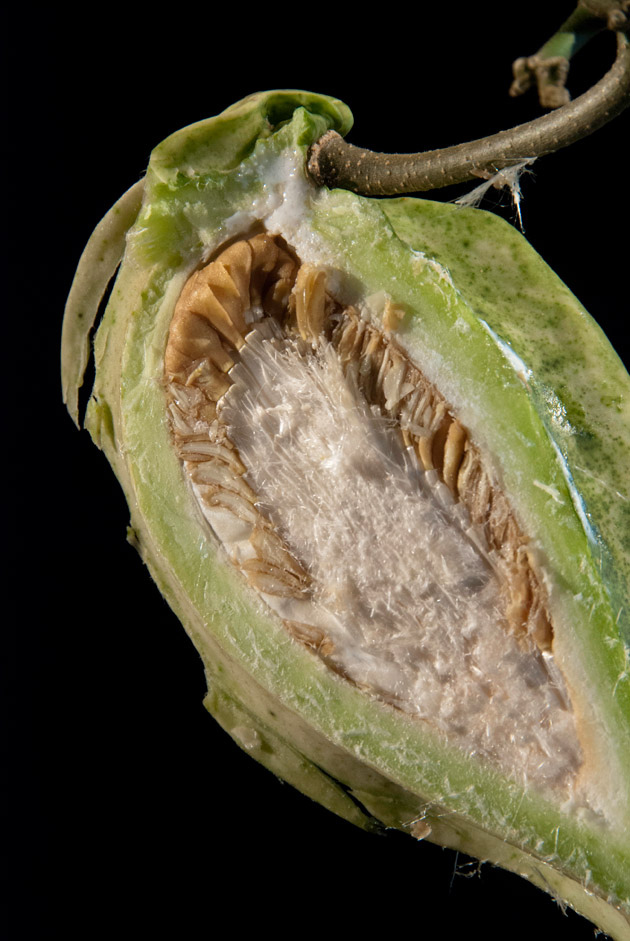
Cuchampera, Gonolobus opened fruit, notice the seeds and the edible inside of the fruit.
|
 |
|
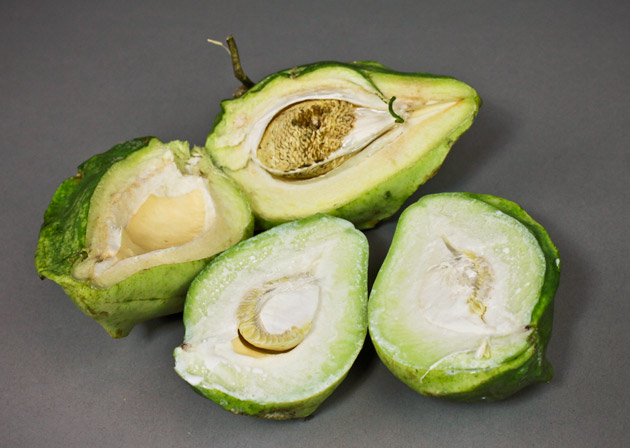
Cuchampera, Gonolobus lasiostema fruit at FLAAR studio office, these fruits were found at Sofia Monzon's house.
Photo by Sofia Monzon, Guatemala, Guatemala.
|
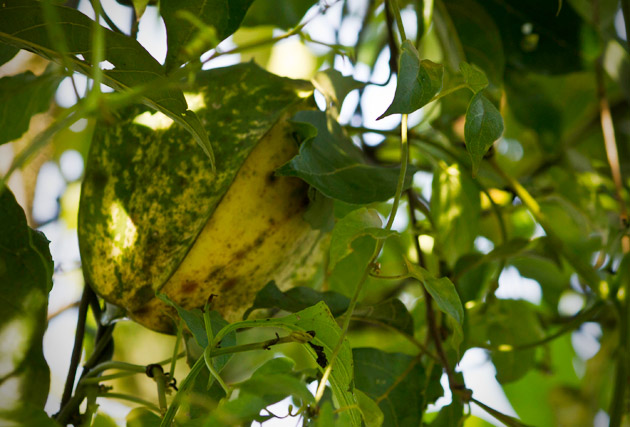
Cuchampera fruit still in the tree, photographed by Sofia Monzon with a Canon EOS Rebel T2i, Guatemala.
Cuchampera Gonolobus showing the poisonous seeds and latex expelled when the fruit is cut. Photo by Sofia Monzon with a Canon EOS Rebel T2i on November, 2011.
Bibliography of suggested reading on Conolobus species, Cuchampera
We now have a bibliography available. During this year (2020) we will work on finding the vine when flowering so we can identify which species of Conolobus this is. This species grows happily at high altitudes (we found it at about 2195 meters and our FLAAR Mayan Ethnobotanical Research Garden is at 1500 meters).
Most recently updated January 20, 2020.
First posted September 15, 2011. Previously updated December 19, 2017.
|