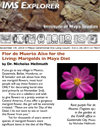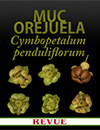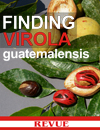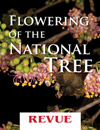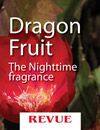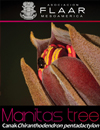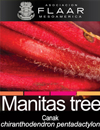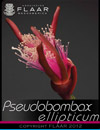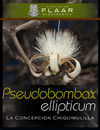
When time and funding permit, each flower (each plant species) will have its own page, and its own PDF, and eventually its own PPT so that professors and students have plenty of material on Guatemala (and Honduras, etc) to study.

Maize
This space is for flowers
we have recently found and photographed.
Follow me in twitter. FLAAR reports Add a Nicholas Hellmunth to yor network. FLAAR reports.
| Share
News Feeds:
Granada, Punica granatum, also called Pomegranate Print E-mail

Punica granatum

Native of the Mediterranean region, but cultivated for its fruit in most tropical and subtropical regions, or even in warm-temperate lands. Planted commonly in Guatemala, at almost all elevations except the highest, but only in small quantities.

Granada, Punica granatum tree, notice all the stages of the flower and fruit. FLAAR archive, Guatemala.

Granada, Punica granatum tree, notice all the stages of the flower and fruit. Casa del Comisario, Concepción Chiquimulilla; our appreciation to Efraín Gudiel.
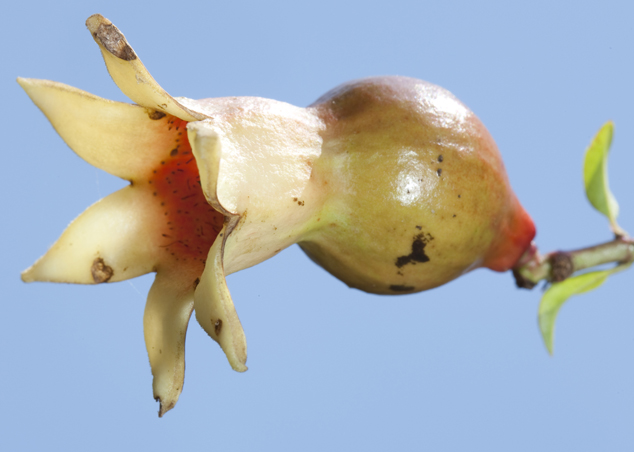

Granada, Punica granatum flower. Photo by Nicholas Hellmuth. Guatemala, Guatemala

Granada, Punica granatum flower. Photo by Nicholas Hellmuth at Casa del Comisario, Concepción Chiquimulilla.

The fruit is eaten fresh or used for juice and fermented to produce the cordial granadine.
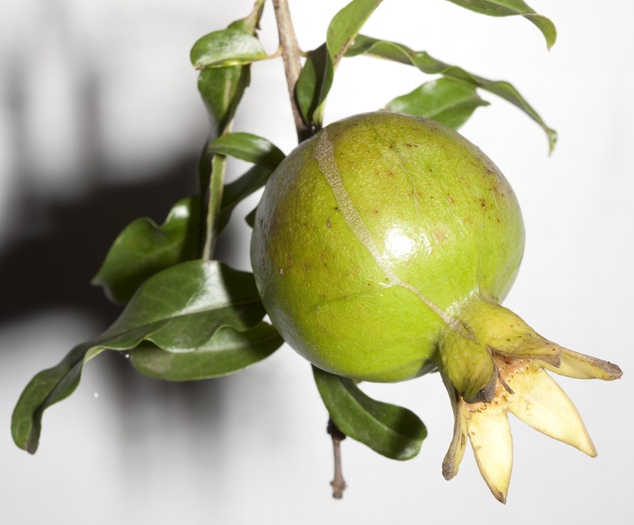
Granada, Punica granatum green fruit, not mature. FLAAR archive, Guatemala.

Granada, Punica granatum green fruit, not mature. FLAAR archive, Guatemala.

The pomegranate apparently is little esteemed in Central America, being unable to compete in quality with numerous excellent tropical and temperate fruits. The many large seeds are an objectionable feature. The wood is hard, close-grained, and light yellow. It has been used as a substitute for boxwood (Buxus) in making engravings. The bark and the rind of the fruit are astringent, and in some regions are utilized for tanning and dyeing leather.

The bark of the stem and root its active properties due to an alkaloid pelletierine is an efficient vermifuge, especially in the case of tapeworms.

The large flowers are brilliantly colored and decorative. The pomegranate is by no means an exclusively tropical plant, for it survives winter in the United States as far north as Washington, D.C., although probably it does not produce fruit at that latitude.
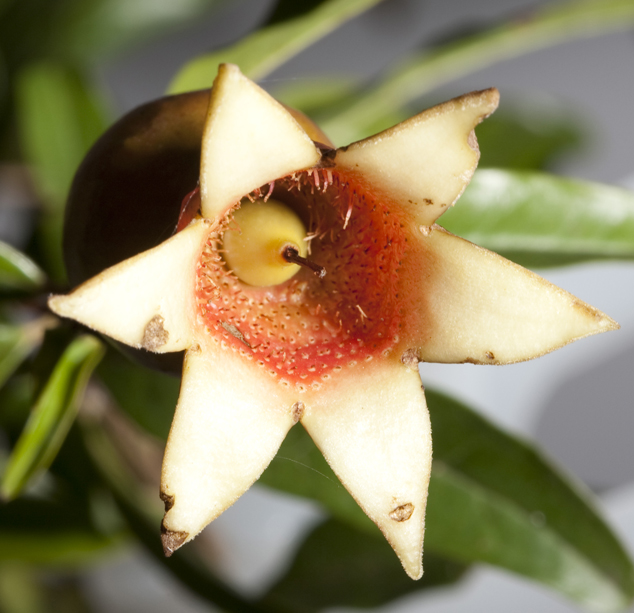
Granada, Punica granatum mature fruit, edible part at this stage. FLAAR archive, Guatemala.

Granada, Punica granatum mature fruit, edible part at this stage. FLAAR archive, Guatemala.

Source: Description of the species are from the Flora de Guatemala (Standley and Williams 1962)

First posted October 04, 2011
 

MAYA ETHNOBOTANY ARTICLES

Spices, condiments, food coloring

Dye plants for textiles

Plants and trees used to produce incense

Camera Reviews for Photographing Flowers and Plants

Ethnobotany site page Donations acknowled Botton DONATE NOW

SUBJECTS TO BE COVERED DURING NEXT 6 MONTHS

Fruits (typical misnomer mishmash of Spanish language)

Fruits (vines or cacti)

Flavoring, herbs, and spices

Flowers, sacred

Plants which are sacred

Plants or trees that are used to produce incense

Most common introduced plants (not native)

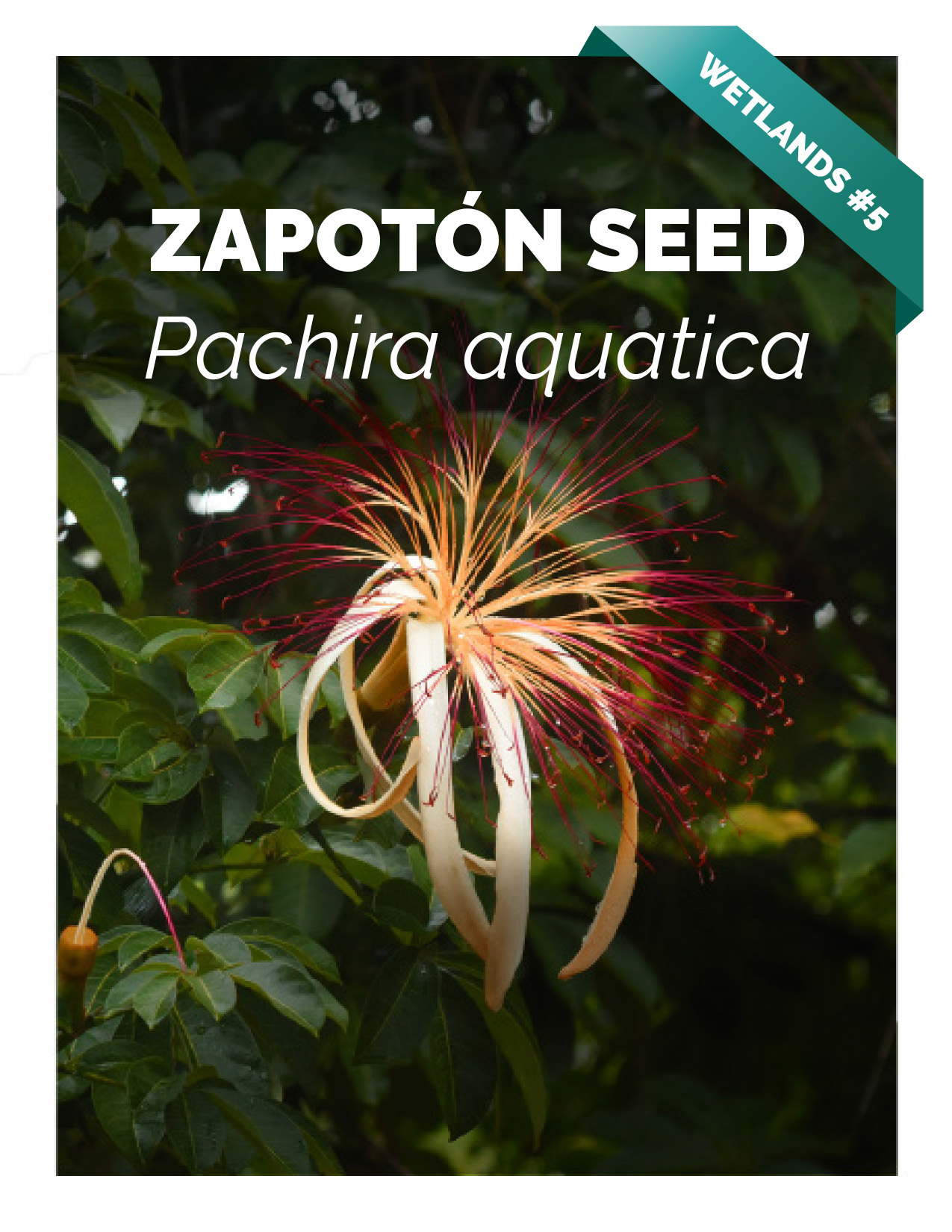
Pachira aquatica, zapoton, zapote bobo, crucial sacred flower for Maya archaeologists and iconographers
Read article on Achiote, Bixa orellana, annatto, natural plant dye for coloring (and flavoring) food (especially cacao drink) in Guatemala and Mexico.
Read article on Cuajilote or Caiba: Parmentiera aculeata, a forgotten fruit.
Read article on Split leaf philodendron, Monstera deliciosa.
Read article on Gonolobus, an edible vine from Asclepiadaceae Family.
Pachira aquatica, zapoton, zapote bobo, crucial sacred flower for Maya archaeologists and iconographers

Copyright © 2012. maya-ethnobotany.org. Powered by FLAAR