When time and funding permit, each flower (each plant species) will have its own page, and its own PDF, and eventually its own PPT so that professors and students have plenty of material on Guatemala (and Honduras, etc) to study.
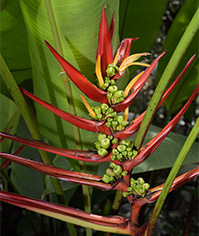
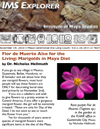
Heliconia adflexa, Coban, Guatemala, Hotel Monja Blanca, FLAAR, by Nicholas Hellmuth
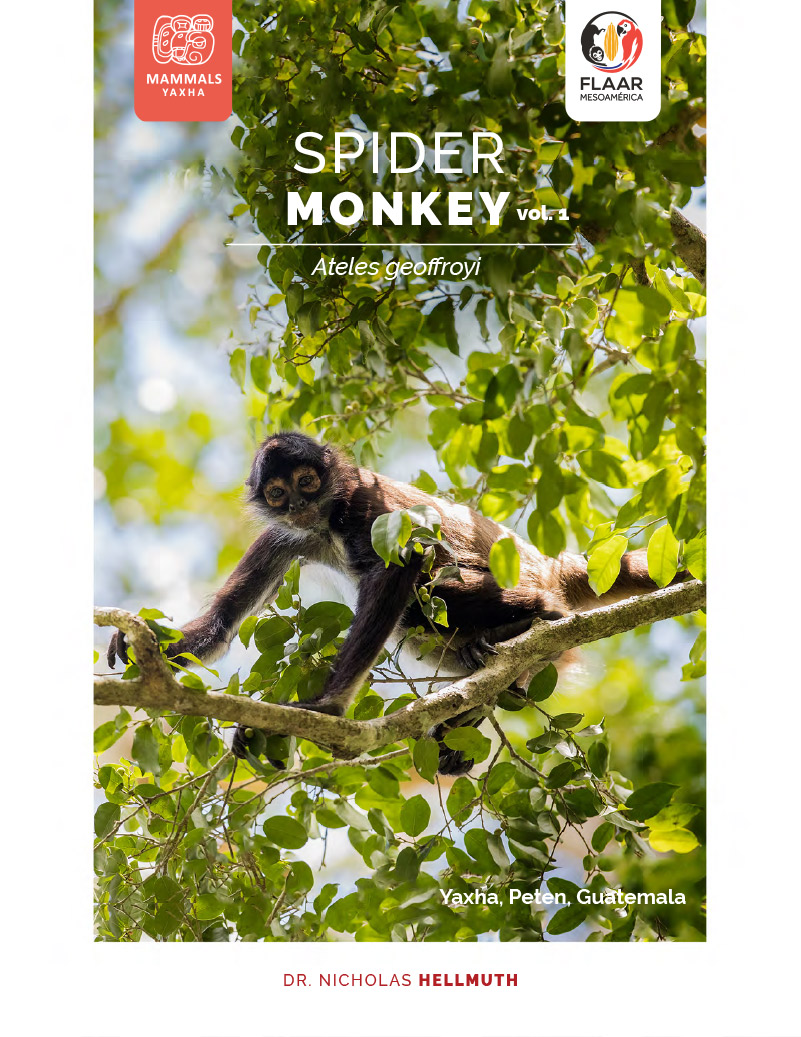
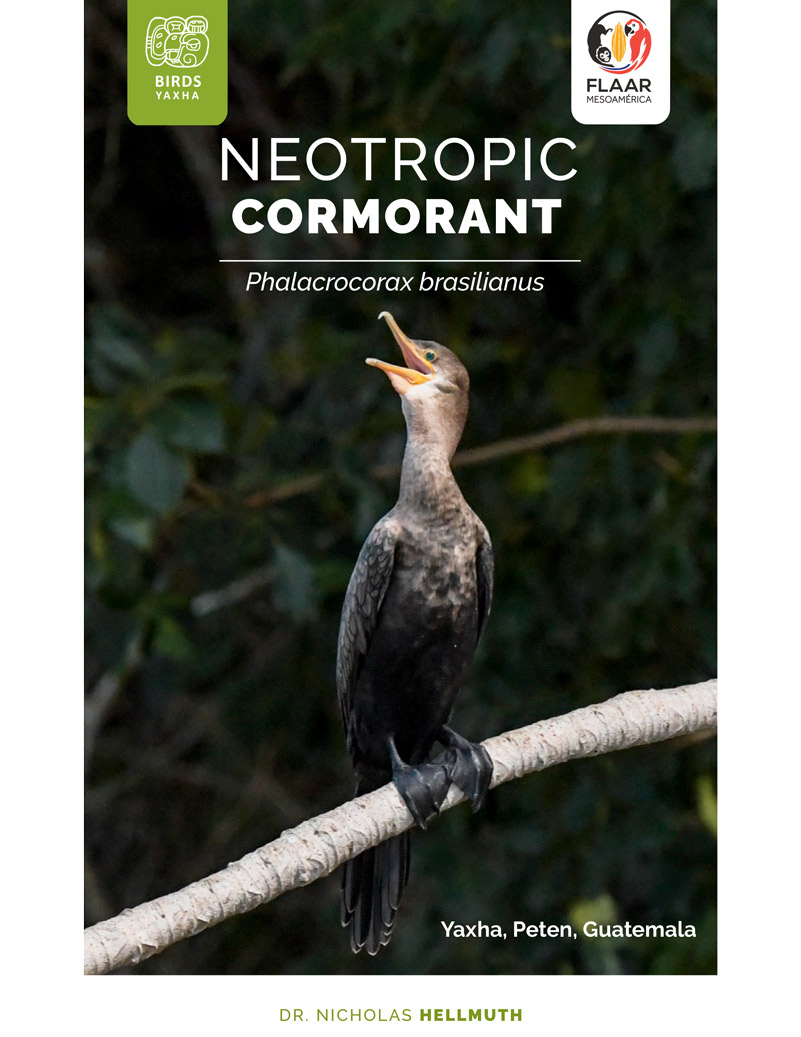
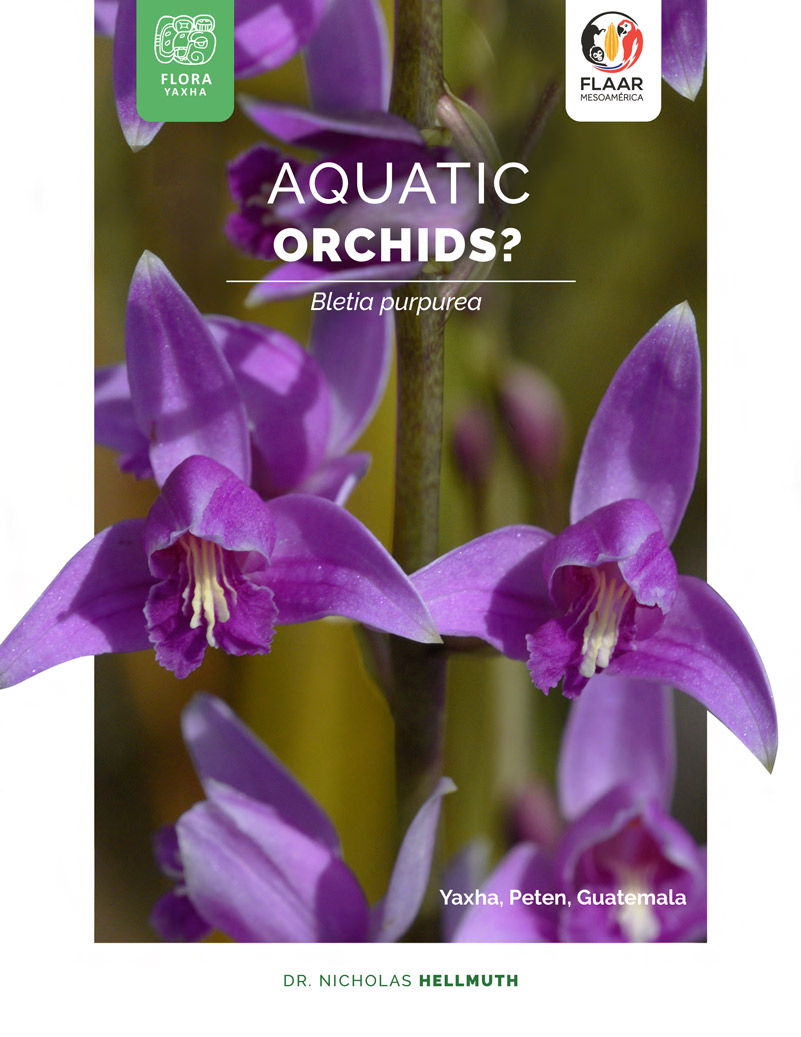
This space is for flowers
we have recently found and photographed.
 |
 |
 |
 |
 |
 |
 |
 |
 |
 |
 |
 |
 |
 |
 |
Reports by FLAAR Mesoamerica
on Flora & Fauna of Parque Nacional Yaxha Nakum Naranjo
Peten, Guatemala, Central America
  |
| Share
|
| Help Support Maya Ethnobotany Research |
|
Your donation can make this web site the best photographic resource to show the world the Neotropical plants, flowers and pollinators of the Mayan areas of Guatemala. The beauty of the photographs on the pages of www.Maya-Ethnobotany.org is possible because of…
But unless we have good digital camera equipment, we can’t rescue views of the tropical paradise of Maya ethnobotany. Adequate photographic equipment makes it possible for us to provide, to the entire world, the resources on tropical plants of Guatemala, Honduras, Belize, and Mexico for public education. For certain plants and flowers related to Maya iconography and mythology our photo archive is one of the best resources available today. To our knowledge, FLAAR is one of the only research institutes in the world that makes PowerPoint presentations available to schools, colleges, universities, and botanical gardens. YOUR DONATION can make the difference. We thank the three corporations whose donations in the past years have made the photographs on this web site possible:
It would help significantly if corporate, foundation, and individual donations to would allow us access to the six additional items of digital photographic equipment that we do not yet have.
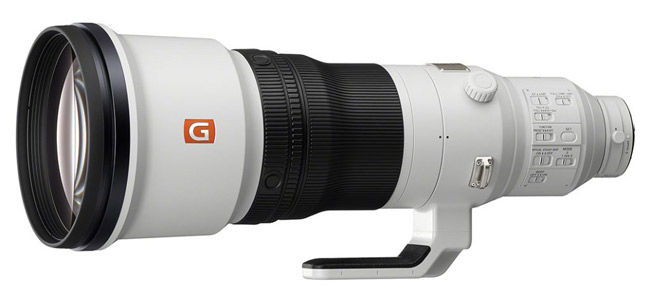
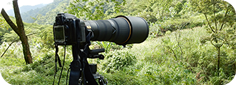
Most photographers use telephoto lenses for sports or bird watching. Yes, we need and use telephoto lenses for photographing birds, but telephoto lenses are really effective to allow us to photograph:
There are now new lightweight telephoto lenses available, and to have a lightweight telephoto lens on a mirrorless Sony camera would mean we could carry the cameras armed-and-ready-to-shot (the heavy Nikon and Canon lenses we have carried in their cases since it’s not practical to hike up and down mountains and wade through swamps if you are trying to carry the camera with the lens already attached). So to take a photograph we have to stop, unpack the lenses, set up the tripod, put on the gimbal tripod head, put on the camera and lens (by then of course the bird is gone that had its beak sucking nectar out of the flower high in the tree). With a less-heavy mirrorless camera and the new specially made lightweight telephoto lenses, we are ready-to-get-the-perfect-photograph instantly.
FLAAR (Foundation for Latin American Anthropological Research), is an exempt organization under section 501( c ) (3) of the US Internal Revenue Code, and is resident of the United States of America. U.S. taxation deduction to the extent allowed by law. After you donate to FLAAR please request a donation receipt by writing frontdesk symbol FLAAR.org. Once you have donated we can send you our tax id # plus documentation of our non-profit tax status.
Most recently updated November 26, 2019 |






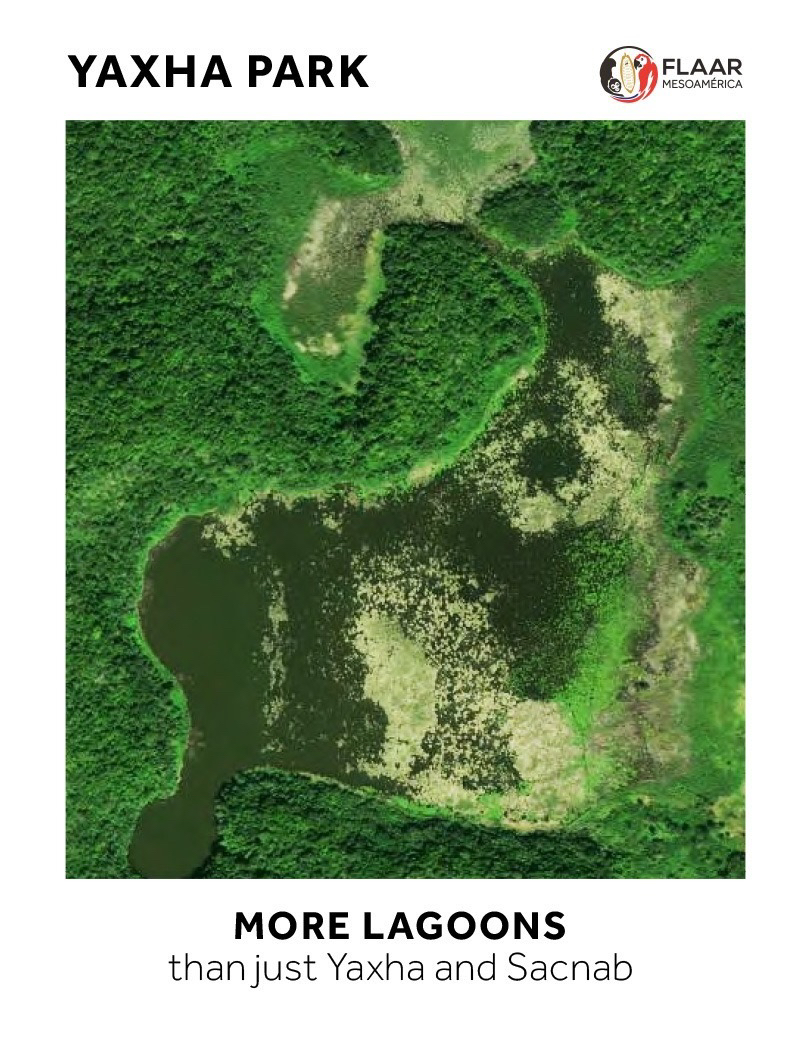
Parque Nacional Yaxha, Nakum and Naranjo
Carnivorous Plants
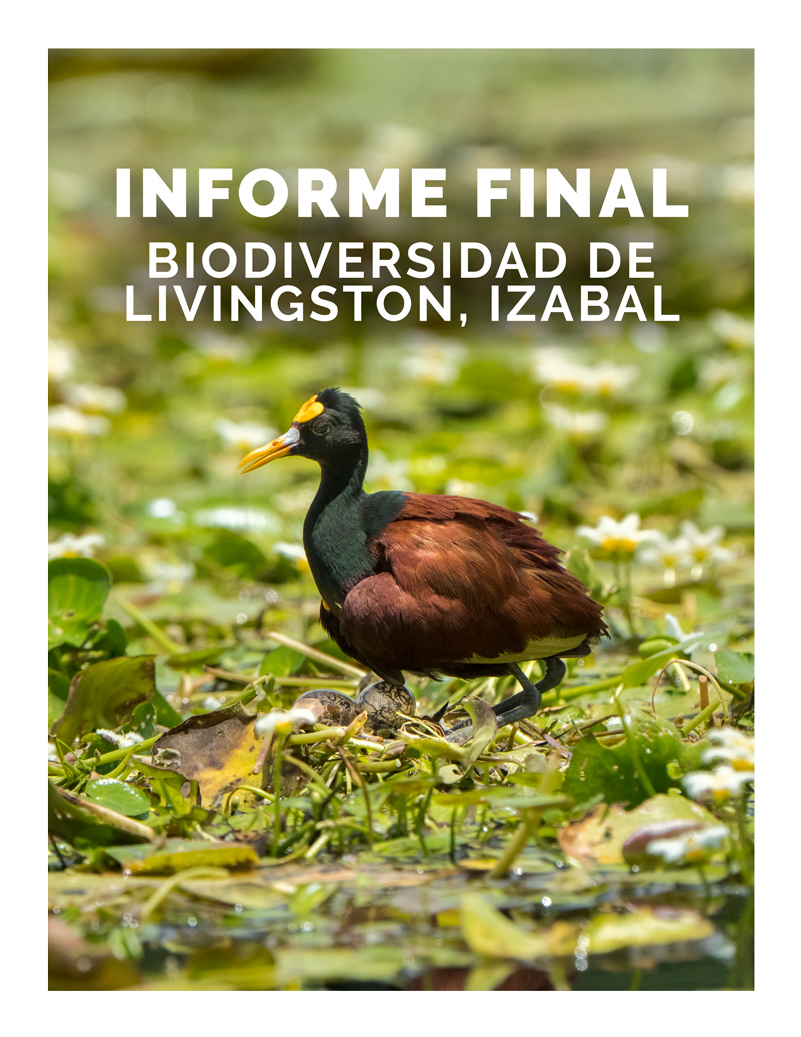
Plants of Municipio de Livingston, Izabal
- Acrostichum danaeifolium, giant leather ferns
- Bellucia Pentamera
- Bibliography on Grias cauliflora
- Bibliography on Licania platypus
- Bibliography on Mangle negro (Avicennia germinans) L.
- Bibliography on Montriacardia arborescens
- Bibliography on Typha domingensis and Thypha latifolia
- Conocarpus erectus, white mangrove
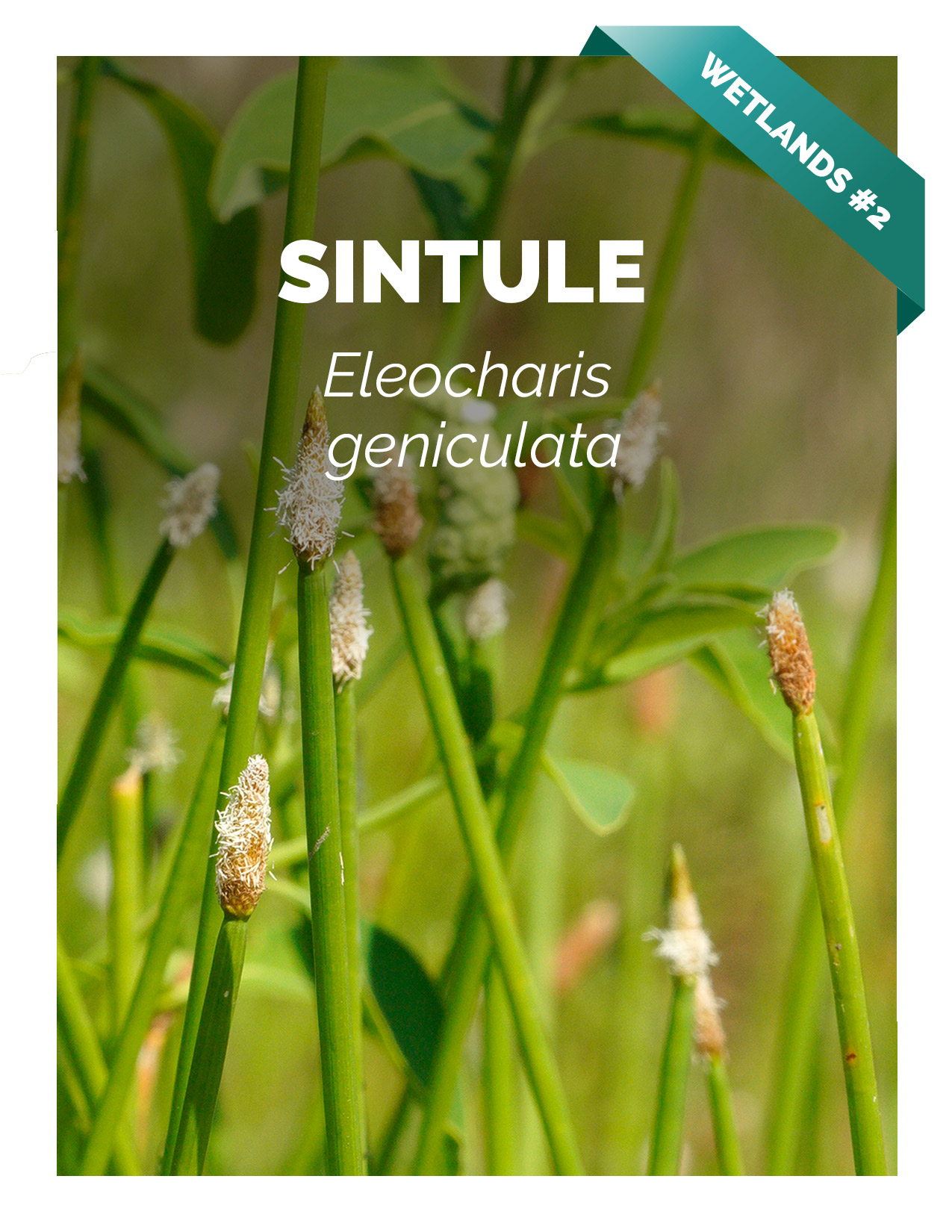
- Edible Wetlands Plants, Hotel Tortugal
- Heliconia latispatha
- Heliconia wagneriana
- Manicaria saccifera Confra palm
- Neotropical trees of Guatemala need protection
- Nymphoides indica, waterlily flowers
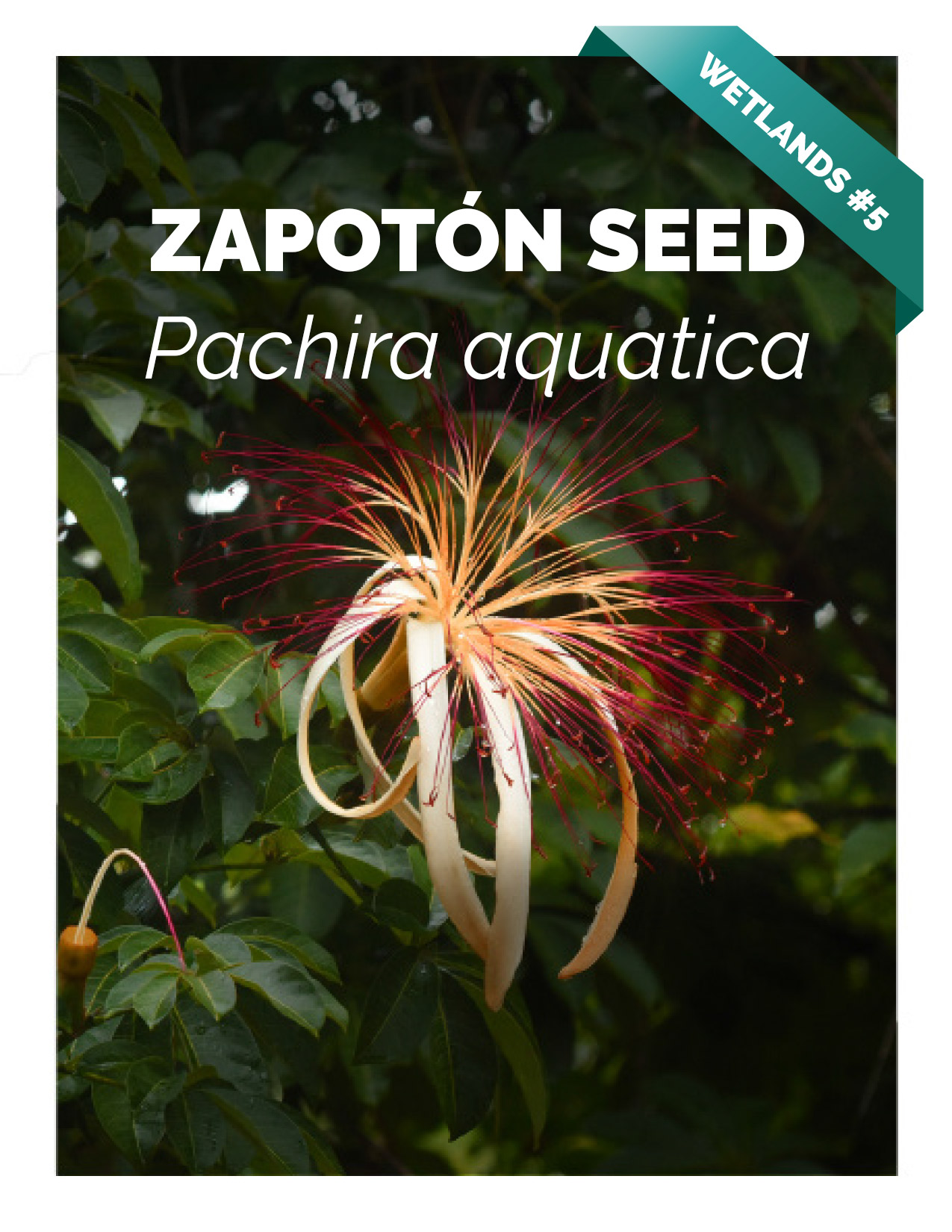
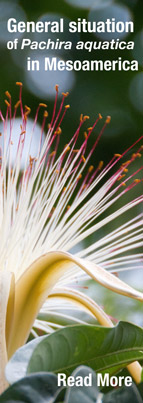
- Pachira aquatica, zapoton
- Bibliography on Pithecellobium Mart., Neotropical trees of Mesoamerica
Ecosystems, Wetlands Aquatic Plants
Smartphone Camera Reviews
Bushes and small trees
Fungi and Lichens
Orchids
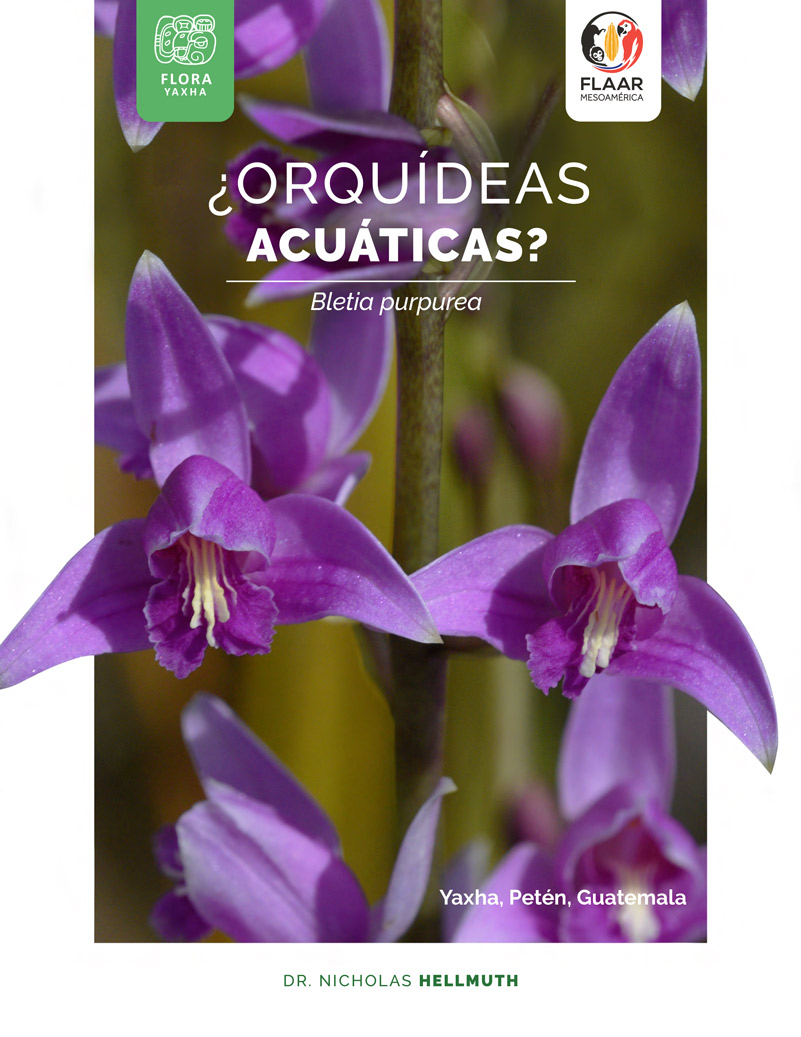
- Bibliography Bletia purpurea, aquatic orchid
- Bibliography, Epidendrum radicans
- Bibliography on Habenaria Orchids from Yaxha
- Bibliography, Lycaste virginalis var. alba.
- Bibliography, Macroclinium bicolor
- Bibliography, Prosthechea cochleata
- Bibliography Sobralia macrantha, Lirio de San Juan
- Bibliography, Sobralia xantholeuca
- Bibliography on Terrestrial shade orchids from Guatemala
- Bibliography on Terrestrial sunny orchids from Guatemala
Botanical Terms
Maya and Aztec flavorings for cacao, cocoa, chocolate
- Achiote, Bixa orellana
- Bibliography on Achiote, Bixa orellana
- Bibliography on Esquisúchil, Bourreria huanita
- Bourreria huanita
- Cassia grandis, bucut
- Chile Chocolate
- Chile Chocolate (Capsicum annuum var accuminatum)
- Chiranthodendron pentadactylon
- Cymbopetalum penduliflorum
- Guazuma ulmifolia
- Haematoxylum brasiletto
- Piper auritum, hoja santa
- Piper species
- Quararibea funebris
- Sterculia apetala, castaño
- Tagetes sp., Marigold
- Talauma, a variant of Magnolia
- Vanilla orchid
- Virola and nutmeg
Cacao, cocoa, chocolate
Consulting cacao & Theobroma species
Tobacco Ingredients of Aztec & Maya
Trees of Mesoamerica
- Bibliography on Acacia dolichostachya, Wild tamarind
- Bibliography, Bellucia costaricensis
- Bibliography, Bucida buceras
- Bibliography on Coccoloba belizensis Standl.
- Bibliography on Cojoba sp. and Cojoba arborea
- Bibliography, Ficus.
- Bibliography on Haematoxylum campechianum and H. brasiletto
- Bibliography on Hibiscus pernambucensis
- Bibliography on Ipomea murucoides
- Bibliography on Lacmellea standleyi, lechemiel
- Bibliography on Leucaena leucocephala
- Bibliography on mangle rojo (Rhizophora mangle)
- Bibliography on Manzanillo, Alseis yucatanensis Standl.
- Bibliography on Matilisguate, Tabebuia rosea
- Mangrove swamp Trees
- Bibliography on Ruagea insignis
- Bibliography on Pterocarpus officinalis
Bombacaceae, Bombacoideae
Tropical Fruits of the Maya
- Avocado Hass
- Bibliography on Coloc, Talisia floresii
- Bibliography, Dichogamy of avocado species
- Bibliography on Guayo, Talisia olivaeformis
- Bibliography on Laetia thamnia, Bakelac
- Bibliography on Maracuyá, Passiflora quadrangularis L.
- Bibliography on Punica granatum L., Granada
- Cashew
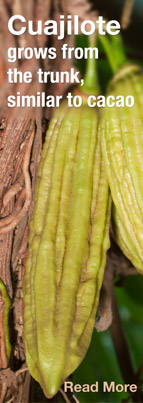
- Cuajilote, Parmentiera aculeata
- Granada
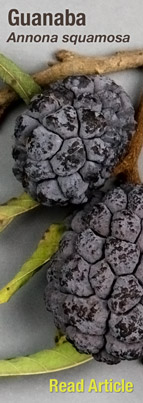
- Guanabas and Annonas
- Guava, Guayaba, Psidium guajava L
- Introduction to Papaya
- Nance a fruit of prehispanic Guatemala
- Passion flowers and fruits
- Passion flower, giant fruit
- Talisia floresii, Sapindaceae
- Carica Papaya Bibliography
Tropical Nuts
Spices, condiments, food coloring
Medicinal Plants
- Aristolochia, The largest flower in Guatemala, Bibliography
- Asclepias curassavica, bibliography
- Bibliography on Ciricote, Cordia dodecandra
- Bibliography on Contrahierba, Dorstenia contrajerva
- Bibliography on Falso hibisco, Malvaviscus arboreus
- Bibliography on Huele de noche, Cestrum nocturnum
- Bibliography on Lirio araña, Hymenocallis littoralis
- Bibliography on Roble Prieto, Ehretia tinifolia
- Bibliography, Tithonia diversifolia
- Canak
- Calliandra general info
- Guava, Guayaba
- Magnolia and Taluma
- Mayan medicinal plants
- Piper
- Tecomasuche, Coclospermum vitifolium
- Bibliography on Sufricay, Malmea depressa
- Bibliography on Wigandia urens
Underutilized edible plants
Edible Plants of the Mayan World
- Acacia, subin, bullhorn acacia
- Bibliography, Annona muricata
- Bibliography, Annona purpurea
- Bibliography, Annona reticulata
- Bibliography on Chipilín, Crotalaria longirostrata
- Bibliography on Chirimoya, Annona squamosa
- Bernoullia flammea
- Canna indica, tamale wrap
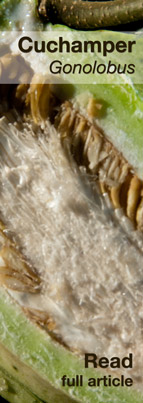
- Cuchamper, Gonolobus
- Guava, Guayaba
- Bibliography, Gonobolus sp.
- Bibliography, Parmentiera aculeata
- Pacaya palm Chamaedorea tepejilote
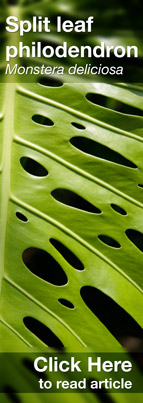
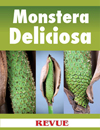
- Split leaf philodendron, Monstera deliciosa
Plants and trees used to produce incense
Utilitarian Plants
- Bibliography, Acacia farnesiana
- Bibliography on Aechmea bromeliifolia
- Bibliography on Agave americana
- Bibliography, native Agave species from Guatemala
- Bibliography on Anthurium crassinervium (Jacq.) Schott
- Bibliography on Balsa, Ochroma pyramidale
- Bibliography on Bamboo, Guadua longifolia (E.Fourn) R.W.Pohl
- Bibliography, Crescentia alata
- Bibliography, Crescentia cujete
- Bibliography on Hule, Castilla elastica
- Blepharidium guatemalense, irayol blanco
- Crescentia alata, Crescentia cujete
- Tecomasuche, Coclospermum vitifolium
- Bibliography on Coxte, Colubrina arborescens
- Bibliography on Madre cacao, Gliricidia sepium
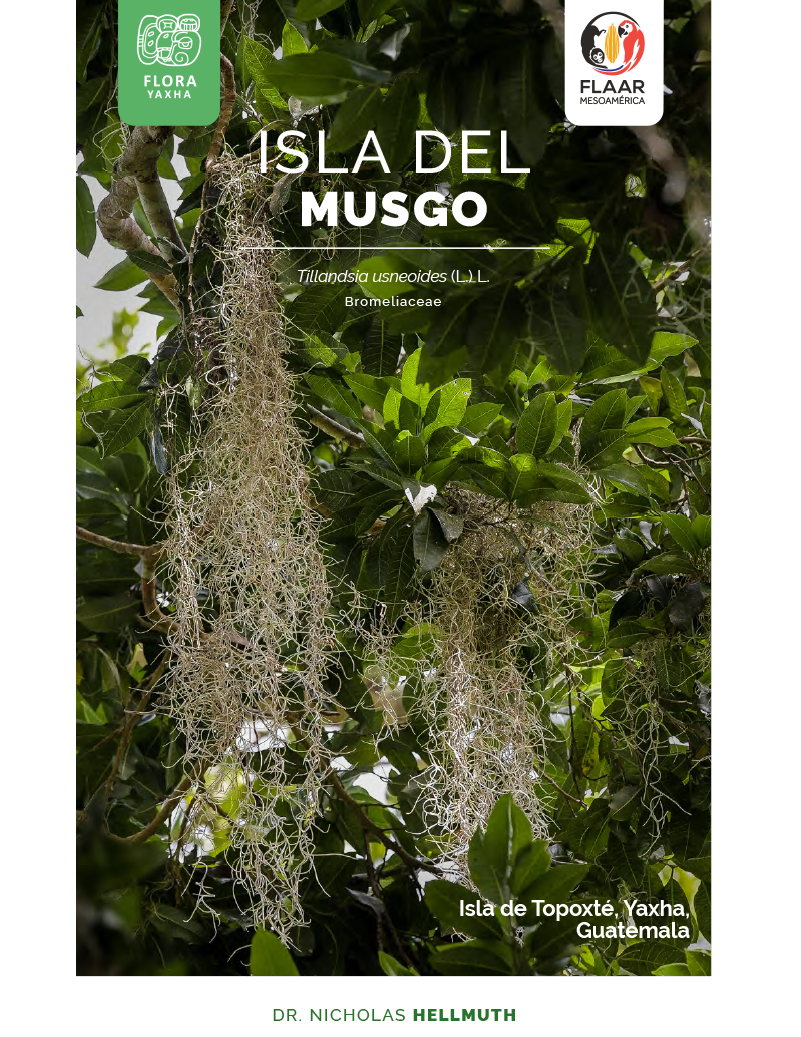
- Bibliography on Tillandsia usneoides
Flowers, edible
Camera Reviews for Photographing Flowers and Plants
Toxic plants
Trees with conical Spines
Flowers native to Guatemala visible now around the world

SUBJECTS TO BE COVERED DURING NEXT 6 MONTHS
Grains
Fruits (typical misnomer mishmash of Spanish language)
Other Fruits (primarily fruits from trees)
Fruits (vines or cacti)
Flavoring, herbs, and spices
Flowers, sacred
Plants which are sacred
Plants mentioned in myths
plants to produce Alcohol
Plants used for drugs
Plants or trees that are used to produce incense
Most common introduced plants (not native)
Glossaries


4x4 Pickup Truck Reviews, Evaluations and Suggestions

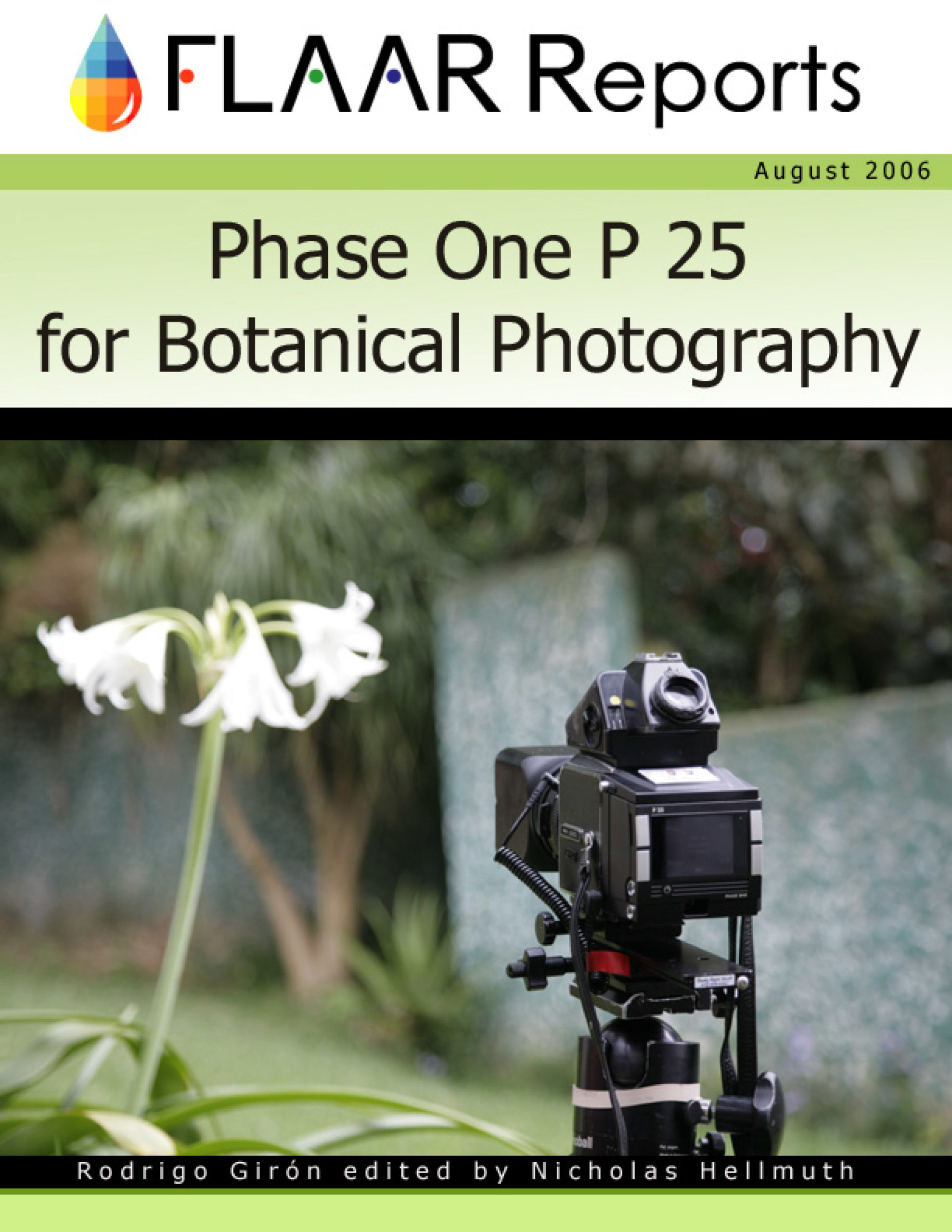
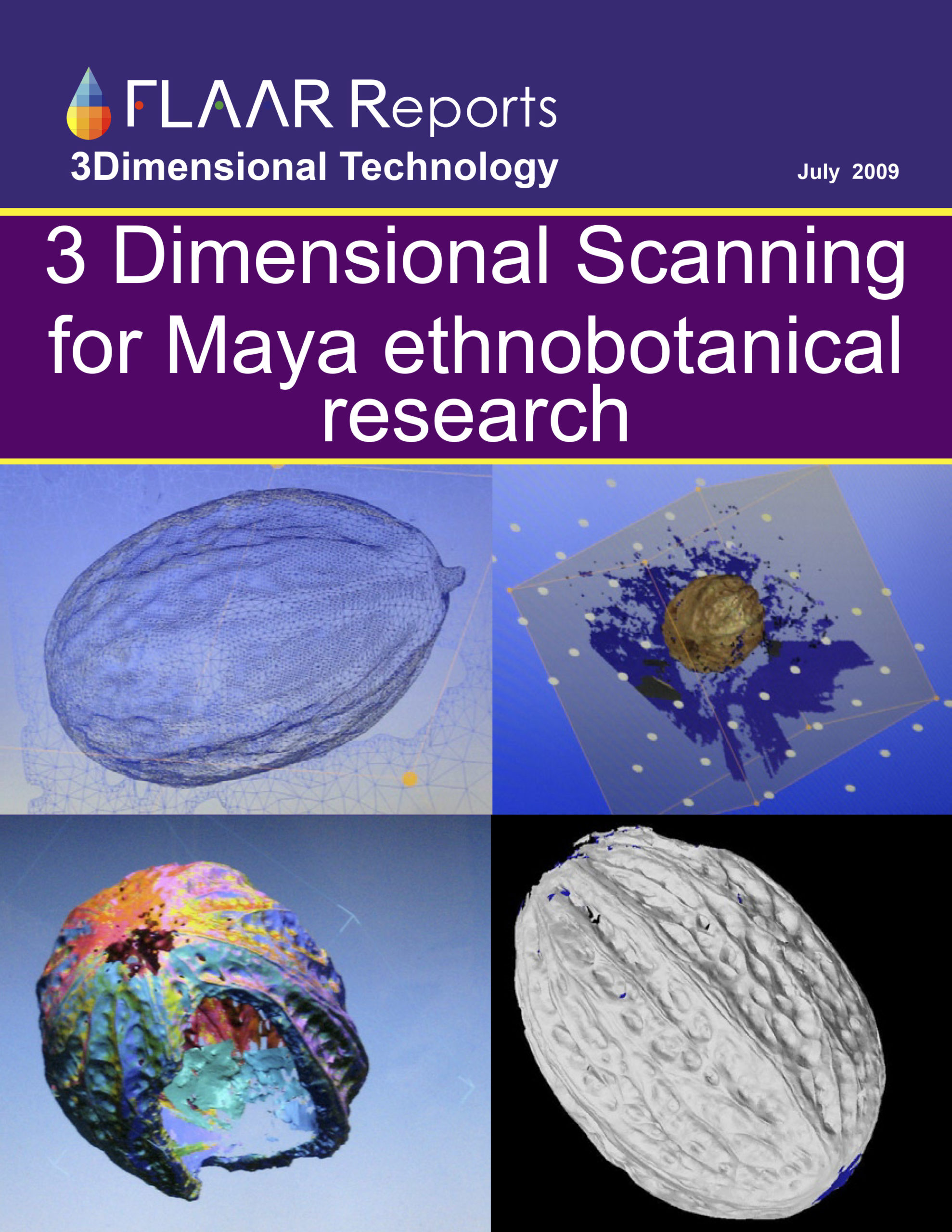
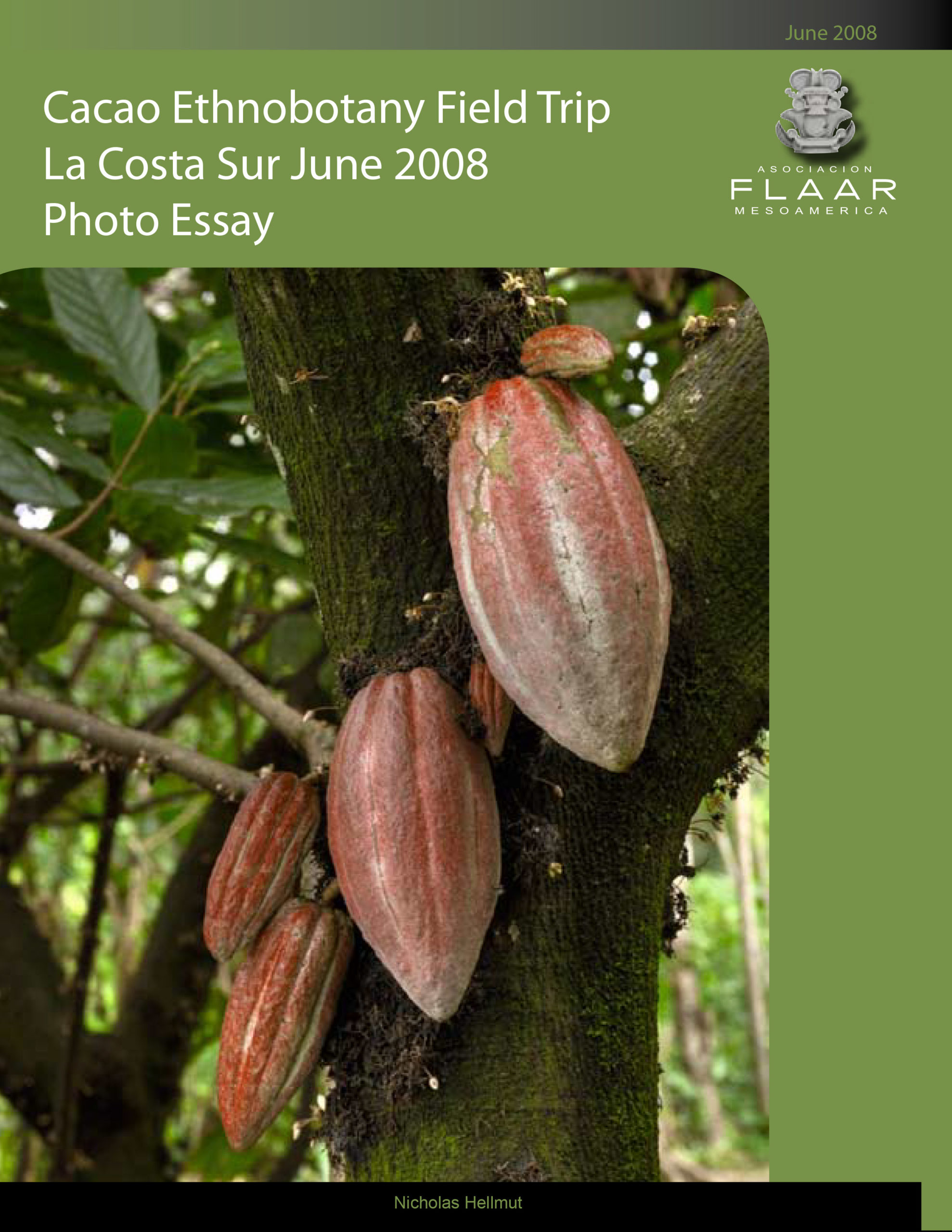
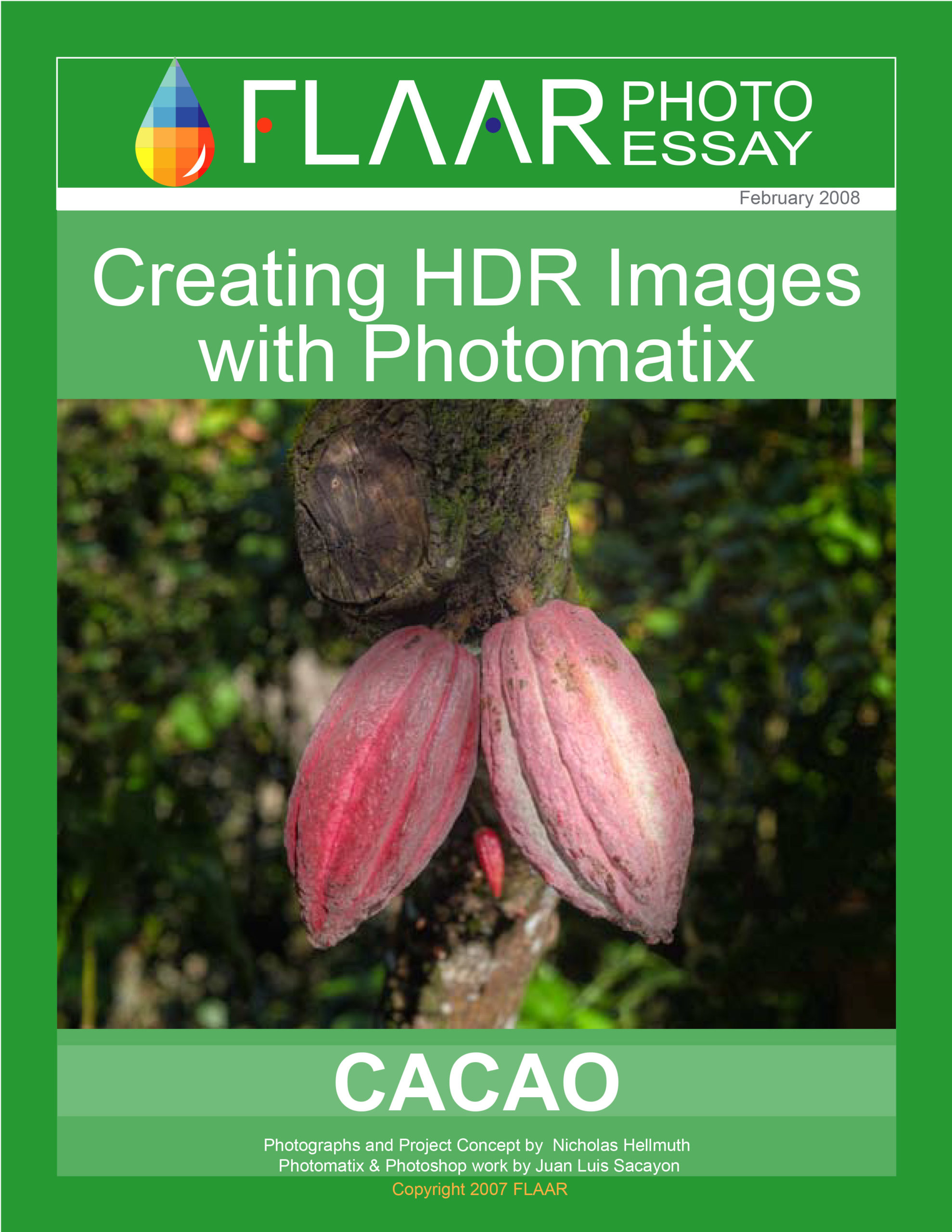

























Visit other FLAAR sites |
||||||
 |
 |
 |
 |
|||
 |
 |
 |
 |
|||
 |
 |
 |
 |
|||
 |
 |
 |
 |
|||
|
FLAAR Mesoamerica |
MayanToons |
Nicholas Hellmuth |
 |
|||
 |
 |
|
|
 |
 |
|