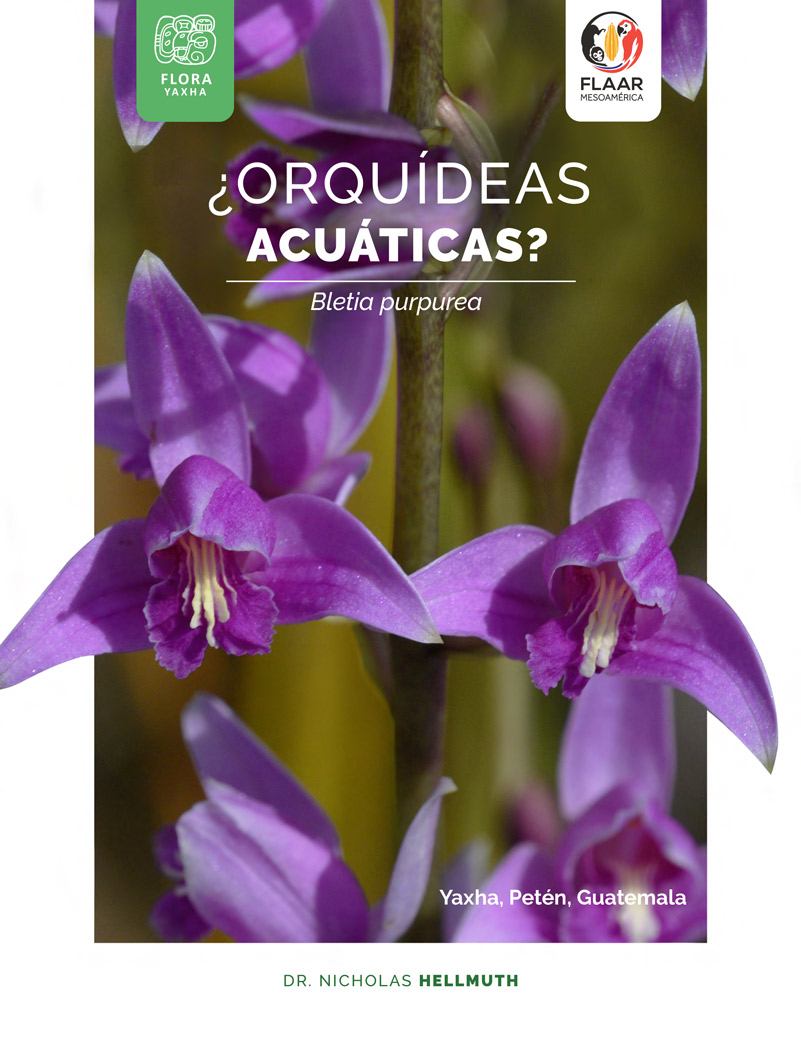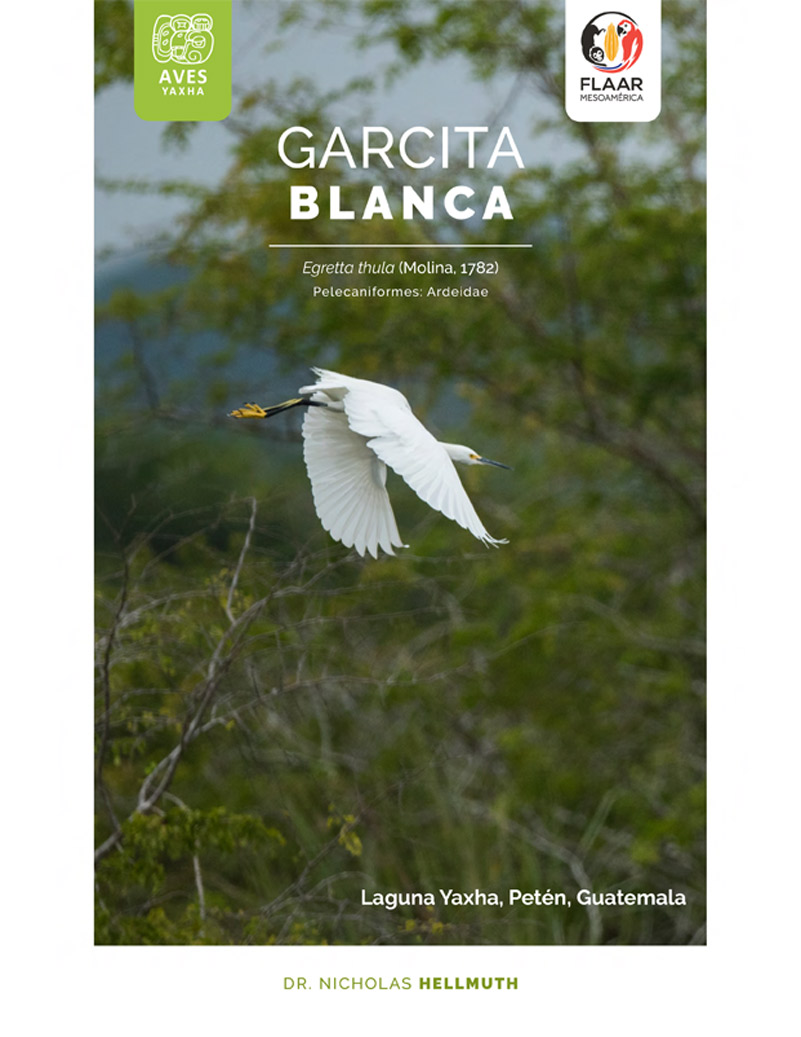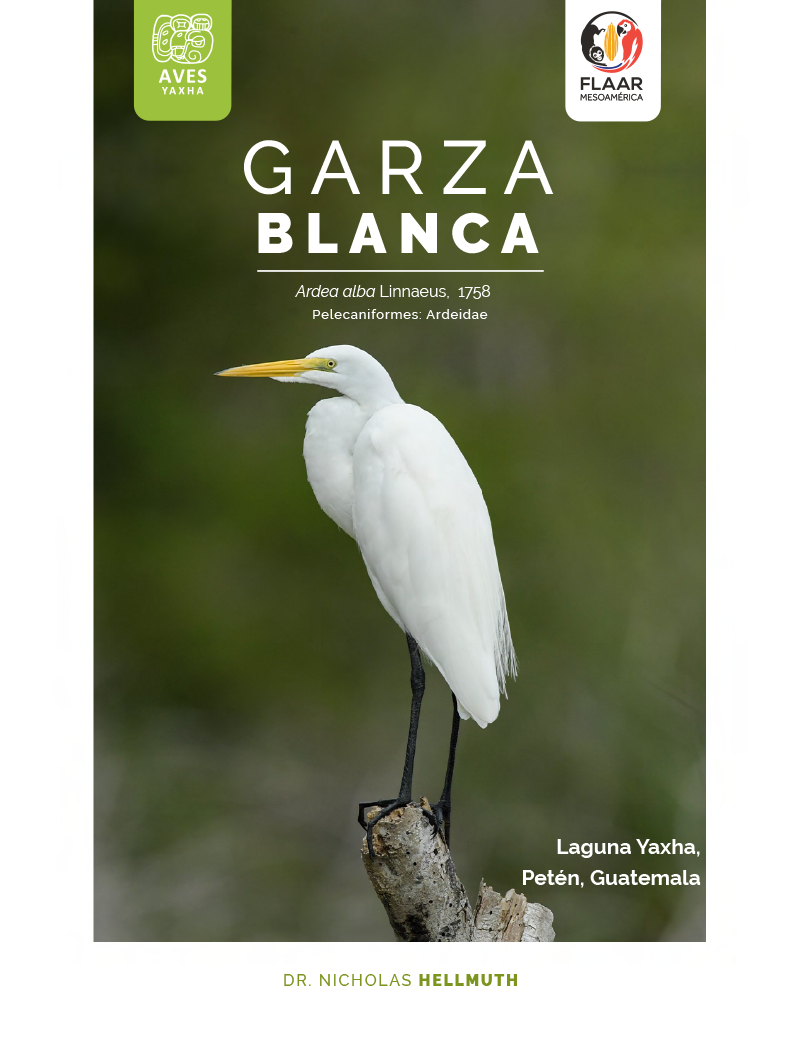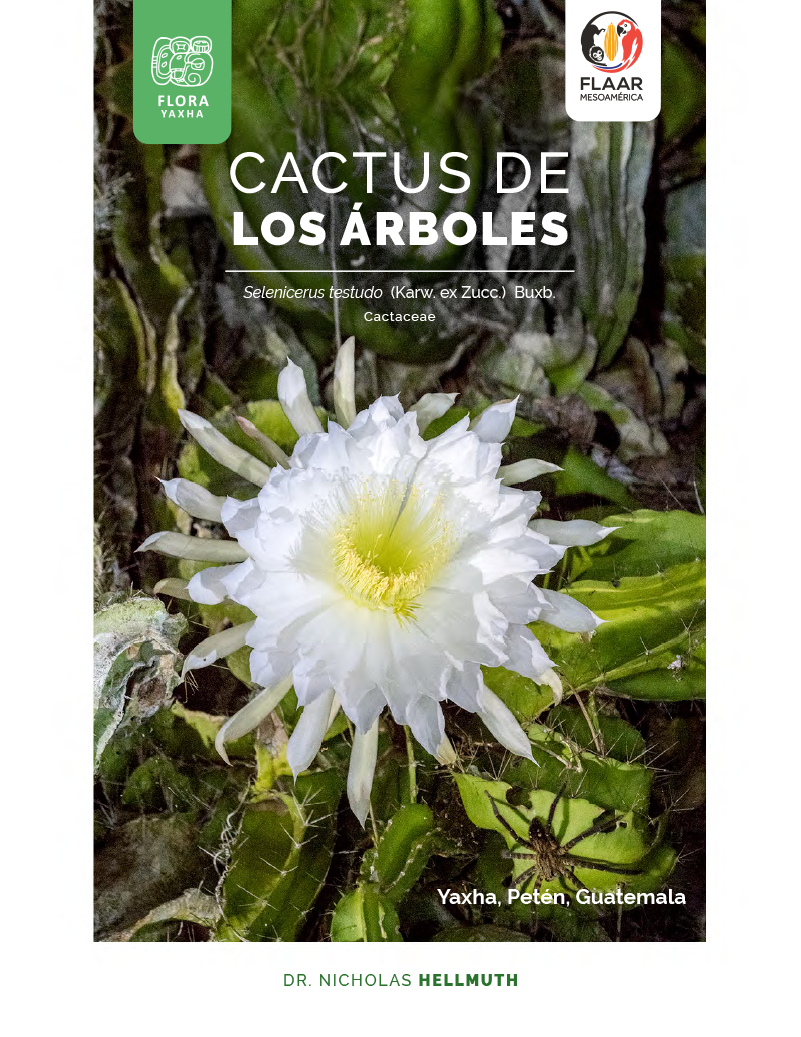
When time and funding permit, each flower (each plant species) will have its own page, and its own PDF, and eventually its own PPT so that professors and students have plenty of material on Guatemala (and Honduras, etc) to study.

Maize
This space is for flowers
we have recently found and photographed.
Follow me in twitter. FLAAR reports Add a Nicholas Hellmunth to yor network. FLAAR reports.
| Share
News Feeds:
Piper auritum, hoja santa, an edible leaf used as an spice to flavor foods and can be grown in the backyards Print E-mail

An small shrub that frecuently grows in gardens, ravines and backyards in Guatemala City.

The best option is to grow the plant, which turns out rather decorative and surprisingly robust.
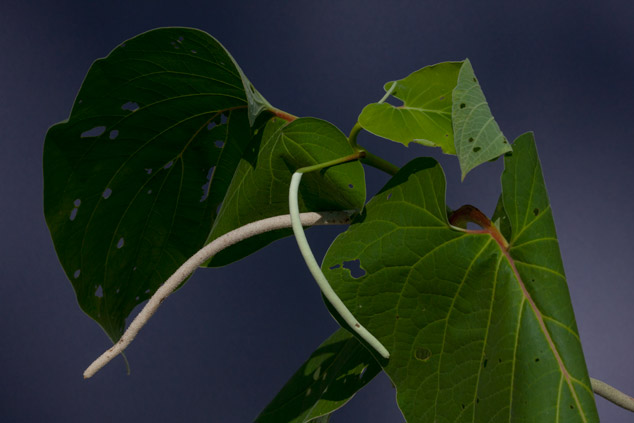
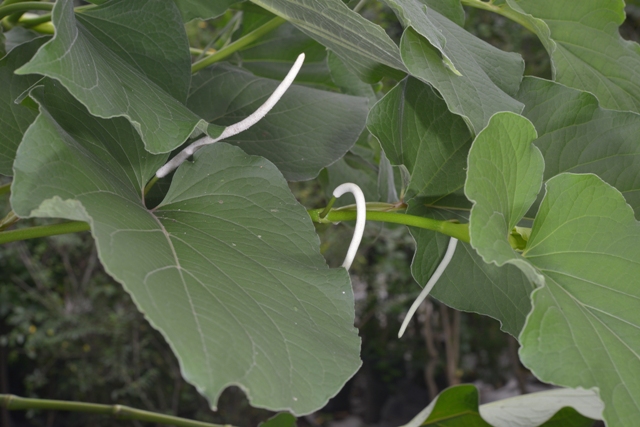
Hierba santa maria, Piper auritum in one of the small gardens in FLAAR office. Photo by Juan Luis Sacayón, August 2011, Guatemala City
Hierba santa maria, Piper auritum in one of the small gardens in FLAAR office. Photo by Juan Luis Sacayón, August 2011,
Guatemala City

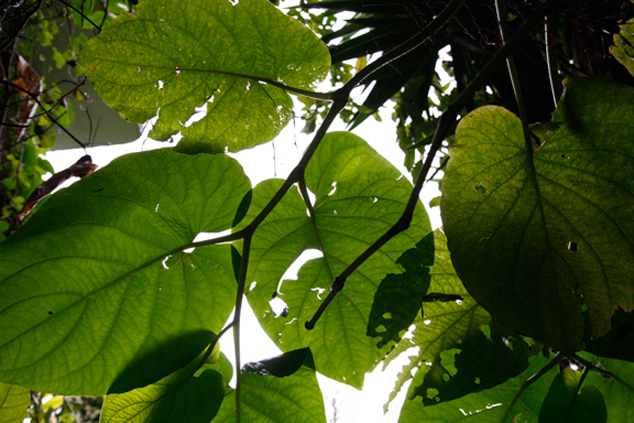
Hierba santa maria, Piper auritum leaves, the edible part that gives flavor to a lot of tradicional foods in Central America.

Hierba santa maria, Piper auritum leaves, the edible part that gives flavor to a lot of tradicional foods in Central America.

The young leaf is cooked to be eaten in soups and stews, used as a condiment or flavoring for meats. Also eaten fried and seasoned to accompany other foods. Another way is by wrapping the meat consumption of chicken seasoned then tied with a piece of steaming banana what is called a chicken rut.

The tender stems are used in vegetable salads. The stems can also be consumed roasted in the embers. Also prepare chopped for soup.

The leaves are also used to treat snakebites, headaches and colds and infusion of hypertension.
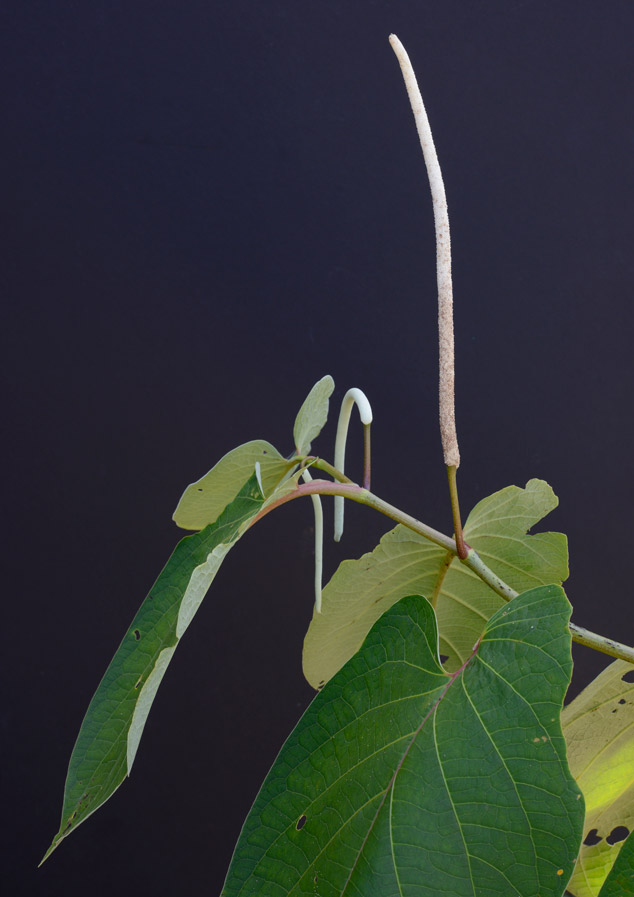
When crushed the leaves and stems smell strongly of sarsaparilla (root beer), and the leaves are used to flavor foods, especially meat dishes and the common local snails (jutes) found in small streams. (Parker, 2008)

The crushed roots have an anesthetic effect and are used to relieve insect bites and headaches and swollen wounds pulverized seeds with ginger is used to scurvy and sluggish digestive and fried almond leaves to cure colic the liver.
The origin is from Tropic Mesoamerica (Southern México, Guatemala, Panamá, Northern Colombia).
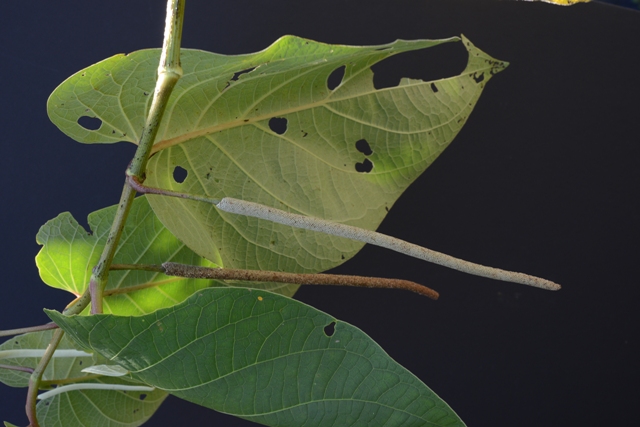
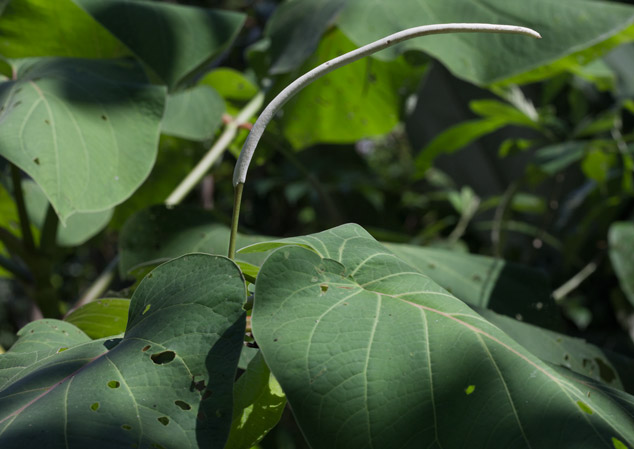
Hierba santa maria, Piper auritum broadleaf used as flavoring or when crushed as root beer. Photo by Juan Luis Sacayón, August 2011, Guatemala City
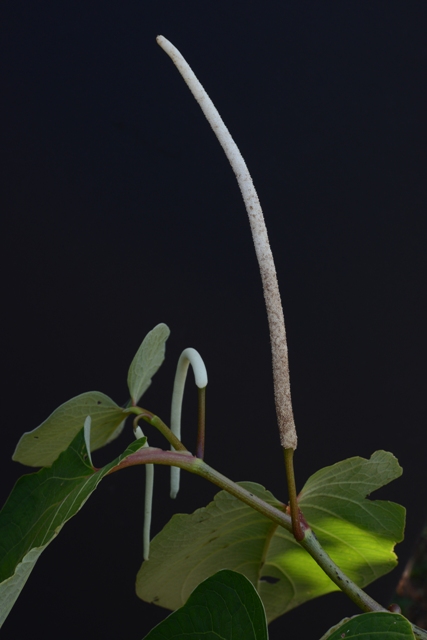

Hierba santa maria, Piper auritum broadleaf that when crushed it can be used to treat snakebites. Photo by Juan Luis Sacayón, August 2011, Guatemala City


First posted september 23, 2011.
 

MAYA ETHNOBOTANY ARTICLES

Spices, condiments, food coloring

Dye plants for textiles

Plants and trees used to produce incense

Camera Reviews for Photographing Flowers and Plants

Ethnobotany site page Donations acknowled Botton DONATE NOW

SUBJECTS TO BE COVERED DURING NEXT 6 MONTHS

Fruits (typical misnomer mishmash of Spanish language)

Fruits (vines or cacti)

Flavoring, herbs, and spices

Flowers, sacred

Plants which are sacred

Plants or trees that are used to produce incense

Most common introduced plants (not native)

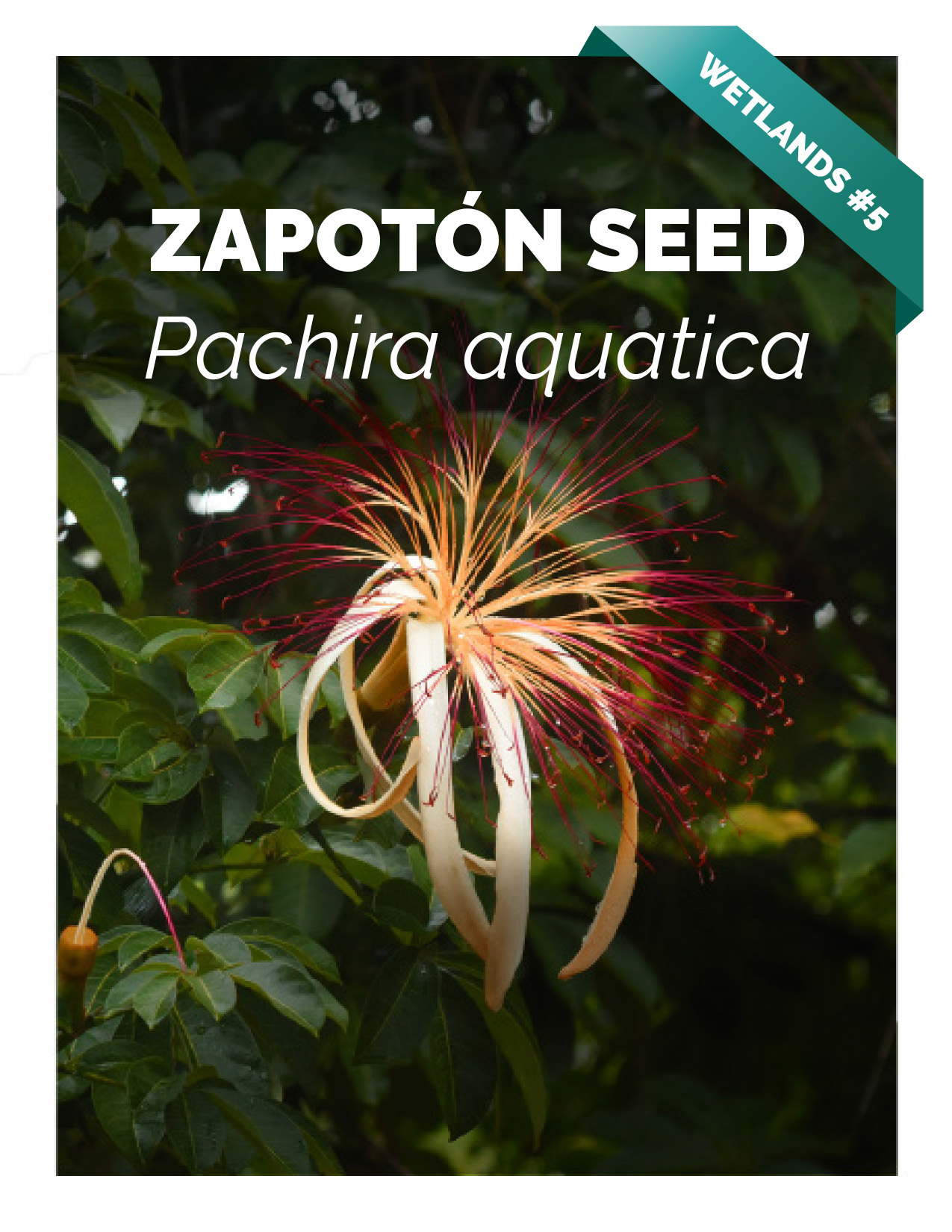
Pachira aquatica, zapoton, zapote bobo, crucial sacred flower for Maya archaeologists and iconographers
Read article on Achiote, Bixa orellana, annatto, natural plant dye for coloring (and flavoring) food (especially cacao drink) in Guatemala and Mexico.
Read article on Cuajilote or Caiba: Parmentiera aculeata, a forgotten fruit.
Read article on Split leaf philodendron, Monstera deliciosa.
Read article on Gonolobus, an edible vine from Asclepiadaceae Family.
Pachira aquatica, zapoton, zapote bobo, crucial sacred flower for Maya archaeologists and iconographers

Copyright © 2012. maya-ethnobotany.org. Powered by FLAAR