
Tagetes lucida, Pericon, and other marigold species, Cempachuchil

The flowers of many of the main marigold species "look like marigolds" (actually they remind me of daisies). But Tagetes lucida is totally different in every way, shape, and form: it is pretty but is not a "garden flower." Nonetheless, we grow Tagetes lucida in our garden. But it does not always cooperate with flowers. In contract, the other taller species of "normal" marigold flowers tend to bloom most of the year (and especially in late autumn, just in time for Day of the Dead, the first week of November).
The pretty marigold flower (of several species, but not all species) is used as a flavoring for cacao, as a yellow dye (Lutein), and as a medicine throughout Mexico, Belize, Guatemala and other countries. This flower is filled with chemicals and this genus definitely deserves further study by scholars interested in Mayan ethnobotany.
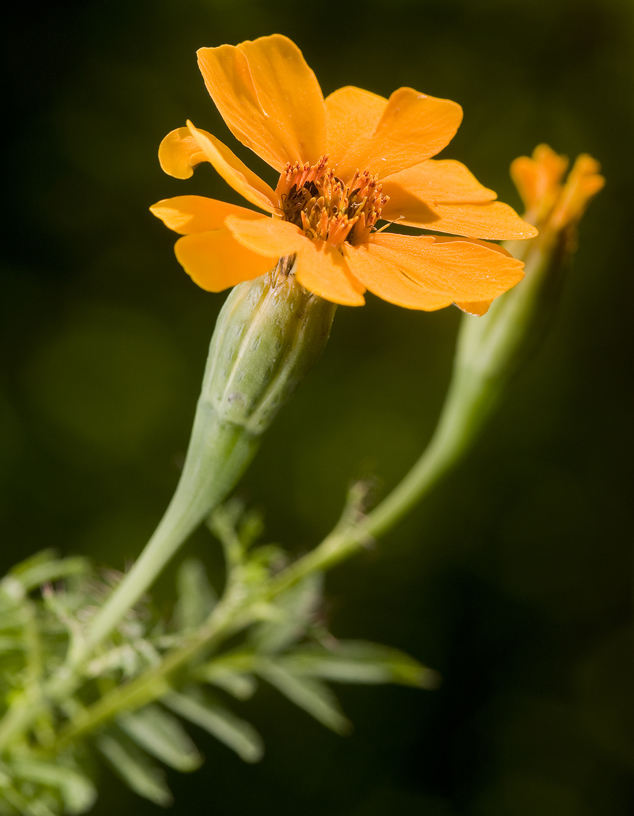
Flor de muerto Tagetes sp. in FLAAR office garden, Gutemala City, image by Jaime Leonardo.
Which species of Tagetes is involved?
I have seen so many different species name
- Tagetes erecta
- Tagetes lucida
- Tagetes patula
- Tagetes filifolia
- Tagetes tennuifolia
that I will wait until the staff botanists straighten this out. I would thus also point out that it will be a challenge to identify precisely which species the Aztec emperor used. Other species are also listed in technical publications, though by far the one most commonly mentioned in general discussions is Tagetes erecta and Tagetes lucida.,
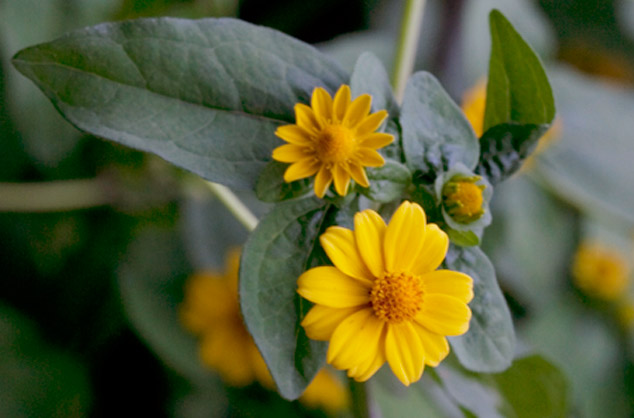
Flor de muerto Tagetes spp. notice the different species that can be found, Photo FLAAR Archive.
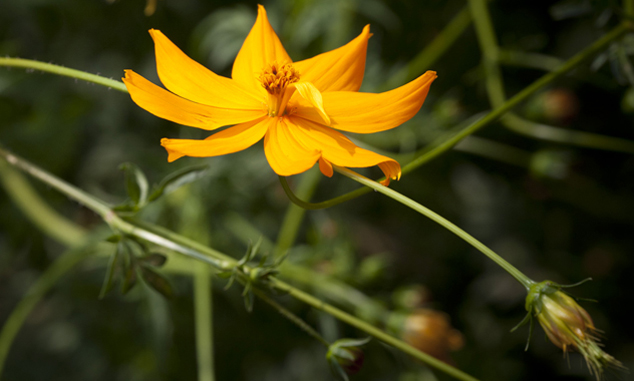
Marigold, flor de muerto, Tagetes sp. another species. Photo FLAAR Archive.
Marigold, Marigold, Tagetes erecta as flavoring for cacao drink (chocolate)
The Marigold is a flower that is a flavoring for chocolate, is medicinal, and is the "Flor de Muerto" on tombs of local Maya people. The Aztecs also obtained yellow dye (Lutein). The leaves are used as a flavoring, mixed with tobacco or other plants.
Huichol Indians of central Mexico, smoked the leaves of Mexican marigold, Tagetes lucida, to induce hallucinations. The narcotic effects of T. lucida, which is also used to make tea, are described as similar-but not as strong as-peyote.
So once again, it appears that the ingredients for flavoring the cacao of the Aztec emperor may have involved more than "flavor." We are doing further research and will have individual pages on each use of marigold, starting with cacao flavoring, then as tobacco additive, as time permits.
The flower has a strong odor when they are ground up. Oil is extracted from Tagetes patula and sold for medicinal purposes out of India (by a company that also sells aroma and fragrances, appropriately named Essential Oils of India). I would also point out that marigold flowers appear to be raised in China or at least China is heavily into the export of this plant.
It is clear thatMarigold flowers have growing potential as an economic plant for local farmers in Mesoamerica.
Medicinal uses of Tagetes erecta
Tagetes erecta or other species are mentioned in most discussions of medicinal plants of the Maya (Belize, Guatemala, etc) as well as medicinal plants of non-Maya groups throughout Mexico.
"Overall, considerable evidence exists that the species have relevant pharmacological effects and in a few cases clinical evidence is available." (2008:12). Peter Giovannini and Michael Heinrich, Xki yoma' (our medicine) and xki tienda (patent medicine) - Interface between traditional and modern medicine among the Mazatecs of Oaxaca, Mexico, Journal of Ethnopharmacology.
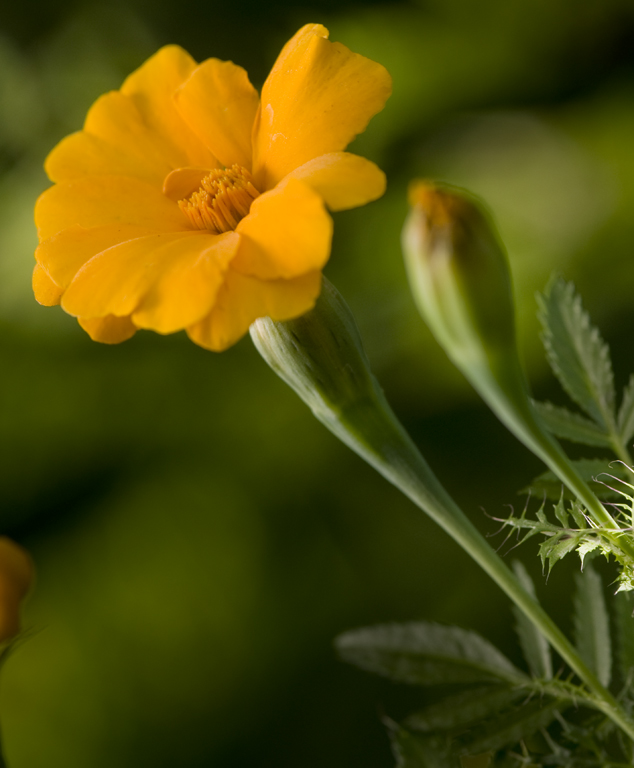
Flor de muerto, marigold, Tagetes sp. in FLAAR office garden, Guatemala City, Photo by Jaime Leonardo.
Further information needed for marigold flowers:
- Resolve the confusion of the various species; which species is where.
- Do all species provide the dye, flavors, etc., or only (or mainly), Tagetes erecta
- Study the dye obtained from marigold as tourists who visit Guatemala would enjoy knowing that local cotton products are flavored with a flower they know from their gardens back in their home country.
- More study of the flavoring of marigold for chocolate, especially what effects (more than flavoring) this plant provides.
Raising marigold flowers, Tagetes erecta
A friend loaned me some plants. She pulled them up from her garden in Chisec and I drove them to Guatemala City. All but one or two survived and continue to bloom after two years. So I guess they are dropping their seeds nearby. However some marigold species are perennial.
I had them in partial shade and they seemed vaguely happy. But I think they want more sun. Now, after second year, no new crop has appeared (probably because my huge banana tress provided too much shade).
In the past two years, whenever we see marigolds in the gardens of Mayan people we stop and ask if we can buy seeds from them. So we now have many species and varieties.
I also see marigolds when I am in Europe and China; many of these species are originally from Mesoamerica.
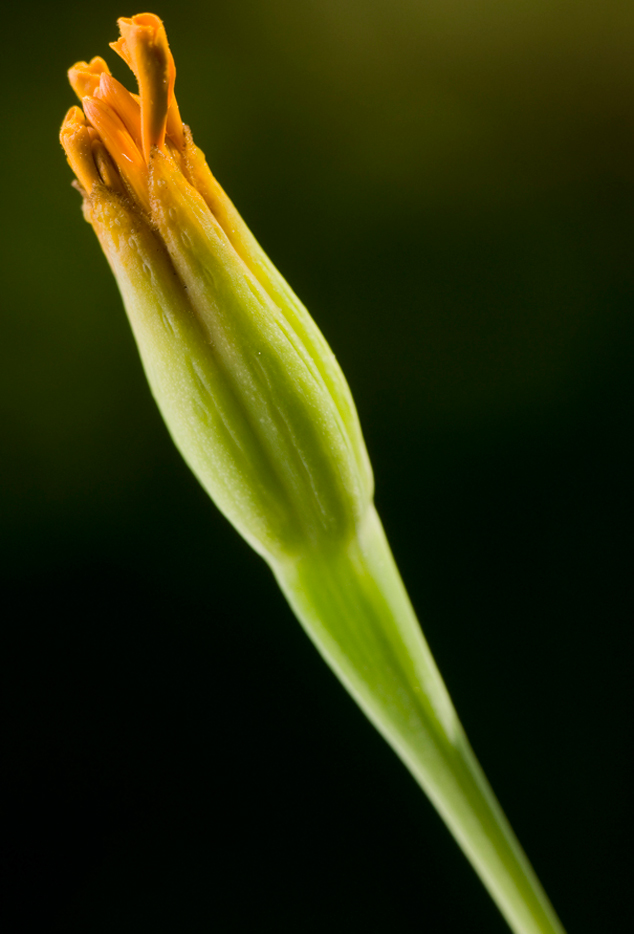
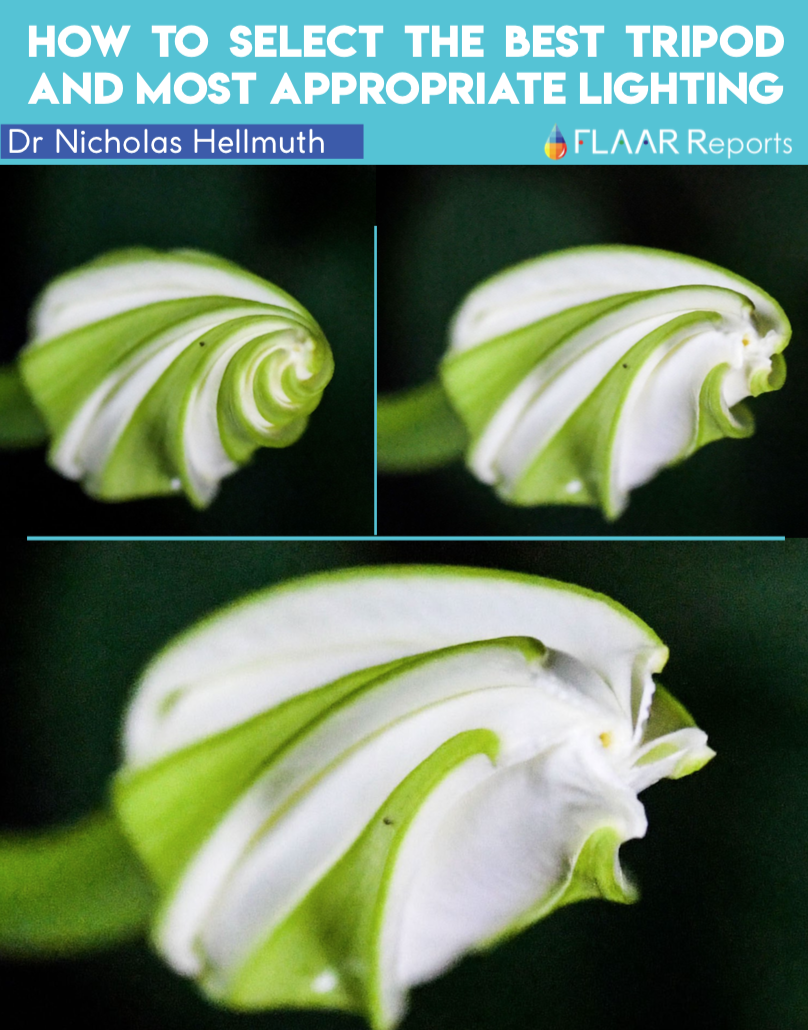
Flor de muerto, marigol bud growing in FLAAR office garden, Guatemala City, Image by Jaime Leonardo.
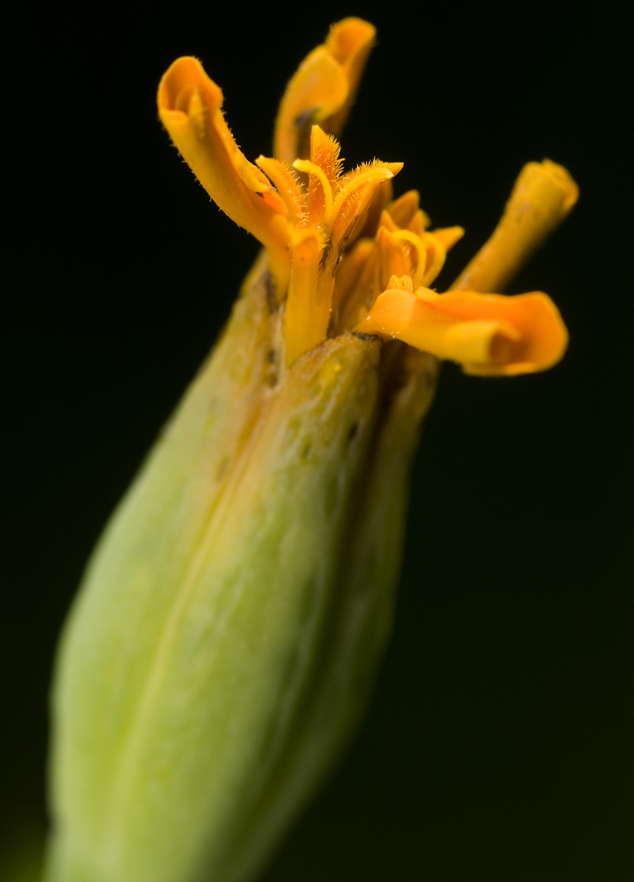
Marigold, flor de muerto bud in a second stage growing in FLAAR office garden, Guatemala City, Photo by Jaime Leonardo.
Concluding comments on marigold flowers and plants of Mesoamerica
Marigolds are known to any gardener around the world. But I bet not many of them know that the origin of this pretty garden plant is Mexico and Central America. And I bet even fewer gardeners realize that just about every part of the marigold can be eaten (but whoa, be careful, you might not like the after effects of some of the chemicals inside marigold leaves).
Our interest is to locate every single solitary flower (and plant and tree and fruit) that was used by the Maya of past or present. Our goal is primarily to be sure we list every single indigenous plant that is edible or has other utilitarian use. But we do not taste these plants nor conduct chemical analysis: casting and chemical analysis are not on our to-do list. Our capability is to do the library research so our list is more complete than that of any other botanist or archaeologist.
Then we try to find where in Guatemala you can locate this plant, and we photograph it exhaustively with professional quality equipment so the world can have a nice visual record of the plant. But precisely because we are so busy working on all this, we don't have time to smoke, chew, or otherwise ingest tasty chemicals that produce mind-altering experiences. There are plenty of other web sites that specialize in that. So we stick to photography and listing plants-by-use. The marigold can go in many lists as each part has multiple potential. About the only part I have not seen people writing about eating are the roots!
What is remarkable is how many plants have many tasty uses yet parts of the same plant provide chemicals for a strong insecticide!
Marigolds were used to flavor Aztec cacao but were a major accessory at human sacrifice! Here is a great thesis or dissertation topic: what is the relationship between the effects within cacao and the effects that relate this flower to the Day of the Dead!
I would consider a thesis or PhD dissertation on the marigold a valuable resource if it included medicinal, ethnohistoric, dietary, and religious aspects of this remarkable flowering plant.
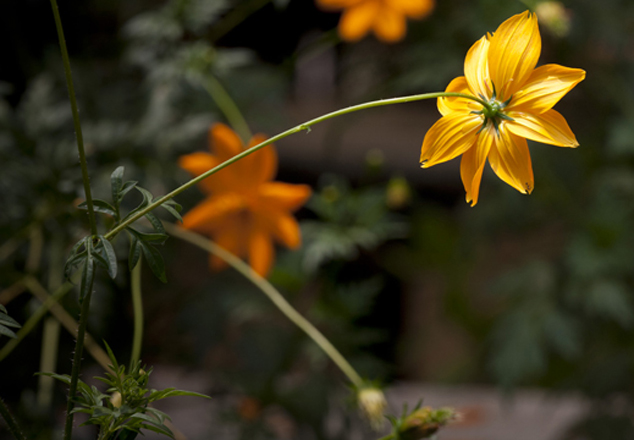
Flor de muerto, marigold, Tagetes sp., view from the back, FLAAR Photo Archive.
Competitors for the name "Flor de Muerto"
By Rob Nicholson: Lisianthius nigrescens, Truly black species - not horticultural creations such as black tulips or black violets - are especially rare. La flor de muerte - a vernacular name comes from the local custom of planting the flower around graves. It was first described by a botanists in 1831 but has since received only sporadic study. The plant had been collected in Oaxaca in 1939 by the Harvard botanist Richard E. Schultes, whose later work in Amazonia would make him one of the most important botanists of this century. In 1938 and 1939, Schultes explored the mountainous terrain of northern Oaxaca--an area known by some as the Chinantla--in search of powerful medicinal plants alluded to in ancient Aztec herbals.
Another flower named flor de muerto is Dyssodia decipiens (Bartl.) M. C. Johnst. But this is almost a twin of marigold: to a non-specialist it looks almost the same.
If an ethnobotanist were to do deeper research they might find even a few other flowers with similar names.
INTRODUCTORY BIBLIOGRAPHY ON MARIGOLD FLOWERS
We have a longer bibliography in our annual report on Maya ethnobotany.
ARVIGO, Rosita and Michael J. BALICK
1993 Rainforest Remedies: One Hundred Healing Herbs of Belize, 2nd edition. Lotus Press, Twin Lakes, Wisconsin. 336 pages.
ARVIGO, Rosita and Nadine EPSTEIN
2001 Rainforest Home Remedies: the Maya way to heal your body and replenish your soul. HarperCollins. 240 pages.
ARVIGO, Rosita, EPSTEIN, Nadine and Marilyn YAQUINTO.
1994 Sastun: my apprenticeship with a Maya healer. Harper San Francisco. 208 pages.
CACERES, Armando, Orlando Cano, Blanca Samayoa and Leila Aguilar(coordinators)
1990 Plants used in guatemala for the treatment of gastrointestinal disorders. 1. Screening of 84 plants against enterobacteria.
BALICK, Michael. J., NEE, Michael H. and Daniel E. ATHA
2000 Checklist of the Vascular Plants of Belize. New York Botanical Garden Press.
GUZMÁN, D.
1975 Especies útiles de la flora salvadoreña. 3a edición. El Salvador Ministerio de Educación. 720 pages.
HOUSE, P. et al
1995 Plantas Medicinales Comunes de Honduras. Honduras Litografía Lopez. 51 pages.
NEHER, Robert Trostle
1968 The Ethnobotany of Tagetes. Economic Botany, Vol. 22, No. 3, Oct-Dec, pp. 317-325.
NELSON, Lewis S., SHIH, Richard D., and Michael J. BALICK
2007 Handbook of Poisonous and Injurious Plants. 2nd Edition. The New York Botanical Garden, Springer.340 pages.
Paperback size; not a coffee table book. Nonetheless useful, informative, good photographs.
OCAMPO, Rafael and Michael J. BALICK
2009 Plants of Semillas Sagradas: An Ethnomedicinal Garden in Costa Rica. FInca Luna Nueva Extractos de Costa Rica, S.A. 109 pages.
Medicinal plants of Central America. Covers primarily Costa Rica and its neighbors but also includes Guatemala. Available on-line. Excellent book, helpful descriptions; photographs are all in color and mostly good quality.
H. B. Sowbhagya, S. R. Sampathu, and N. Krishnamurthy
2004 Natural Colorant from Marigold-Chemistry and Technology Food Reviews International, Volume 20, Issue 1, Pages 33 - 50.
www.informaworld.com/smpp/content~db=all~content=a713632592
Thor Arnason, Feliz Uck, John Lambert and Richard Hebda
1980 Maya medicinal plants of San Jose Succotz, Belize, Journal of Ethnopharmacology, Volume 2, Issue 4, 1980, Pages 345-364.
www.prcupcc.org/herbs/herbsp/pericon.htm
VASQUEZ Reyna, Carmen Lidia
2008 Validación farmacológica de la actividad diurética de hojas de Flor de Muerto (Tagetes erecta L.), hojas de Santo Domingo (Baccharis trinervis Lam.) y hojas de Matasano (Casimiroa edulis Llave. et Lex.) en infusión acuosa. Facultad de Ciencias Químicas y Farmacia, Universidad de San Carlos de Guatemala.
http://biblioteca.usac.edu.gt/tesis/06/06_2652.pdf
Most recently updated Oct 31, 2014.
Previously updated March 14, 2013. First posted August 26, 2011.